Hello friends!
For years, chickpeas were not part of my diet. It was simply a matter of habit, following the family tradition… Yes, cooking often reflects our upbringing! 😉 Then one day, while I was still living in Paris, I tried Lebanese cuisine for the first time. It was a revelation! Hummus, falafel, and fresh salads featuring chickpeas, I was hooked! That’s when I started exploring Chickpeas: my 9 Best Recipes (and how to cook them well).
Since then, I always keep a jar of canned chickpeas in my pantry, along with dried chickpeas. Depending on the recipes I’m making, I use one or the other.
The chickpea is the little legume that can do it all: star of appetizers in hummus, vegetarian hero in falafels and curries, and a great ally in summer salads. On top of all that, it’s economical and packed with protein. Here are my favorite chickpea recipes from the blog, along with answers to your burning questions: canned or dried? Soaking? Cooking?
My 9 Favorite Chickpea Recipes
Click on the one that appeals to you for the full recipe!
Canned Chickpeas or Dried Chickpeas?
Let’s be practical: the can (or jar) is wonderfully convenient. Just rinse them well, and voila—they’re already cooked. For salads and curries, honestly, the difference is minimal.
Dried chickpeas have an edge when it comes to hummus (for a creamier texture and finer taste) and falafels, where using dried is even essential: falafels are made with soaked but uncooked chickpeas—never cooked! If you skip this step, you might end up disappointed during cooking.
Soaking and Cooking Dried Chickpeas: Instructions
Here are the guidelines for preparing your recipes with chickpeas.
Soaking: it takes 12 hours (overnight) in a large volume of cold water. They will double in size.
Cooking: it takes 45 minutes to 1 hour to simmer in unsalted water (salting at the beginning hardens the skin; add salt at the end of cooking). A pinch of baking soda in the water helps soften them, which is handy for your hummus.
The right ratio: 200 g of dried chickpeas yields about 450 g cooked. This is equivalent to a large can or jar.
Chickpeas in All Their Forms
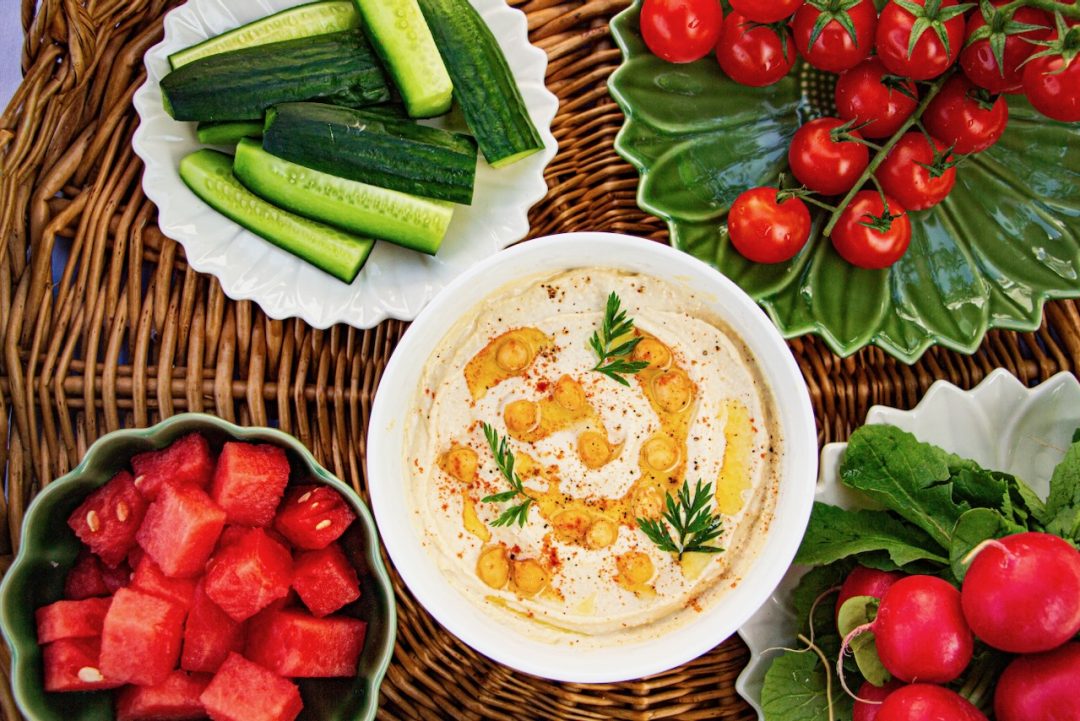
As an appetizer: the classic hummus (and its variant, sweet potato), perfect for spreading on my quick pita breads.
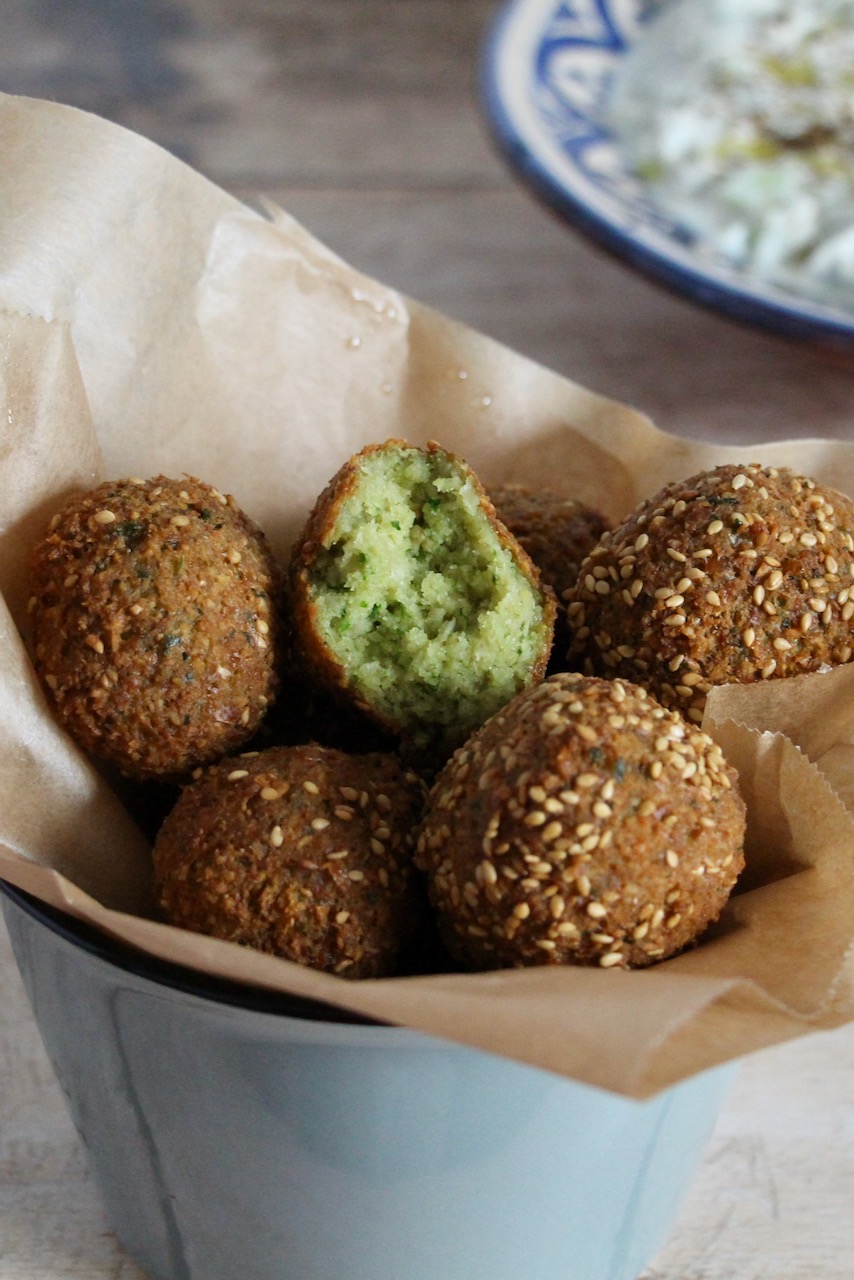
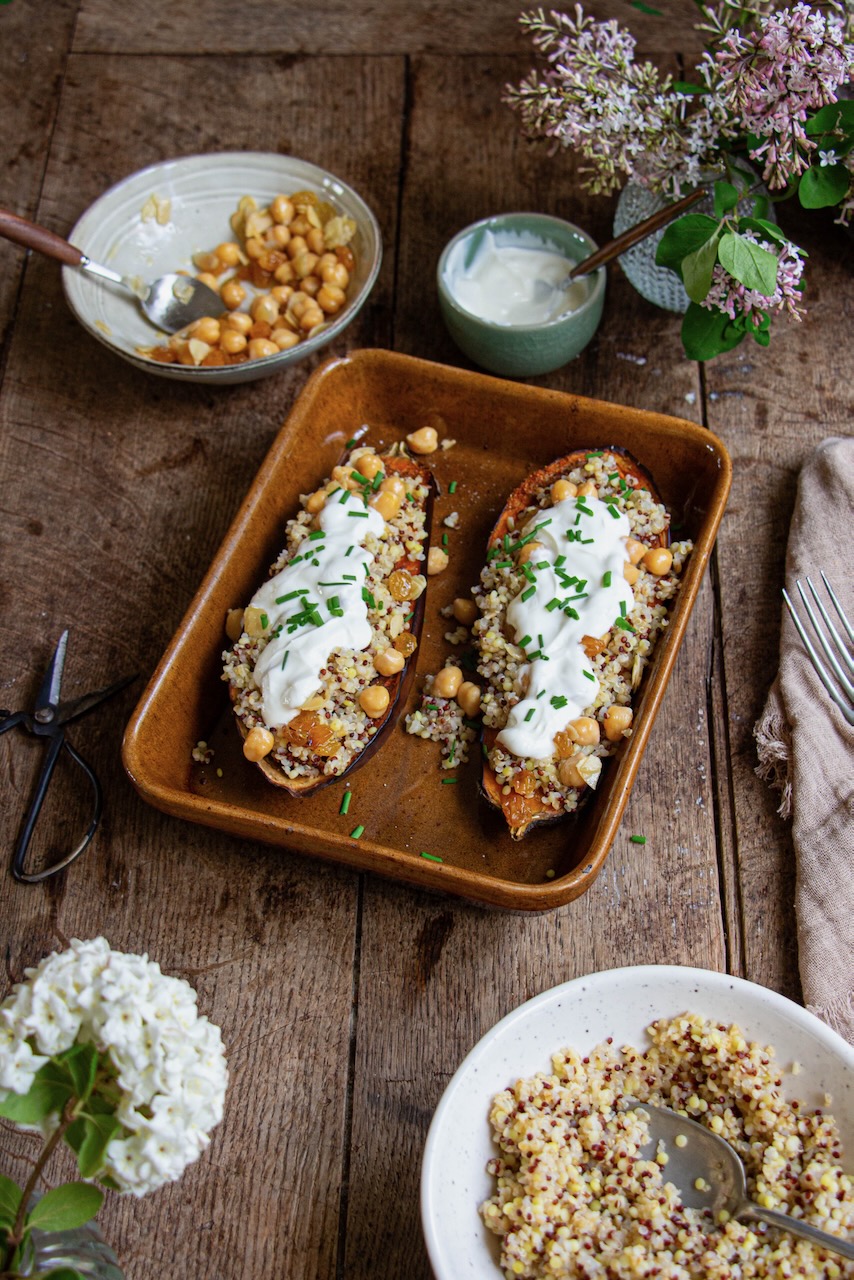
As a vegetarian dish: the falafels, chickpea curry, and eggplant-tomato-chickpea compote—my three satisfying meatless meals.
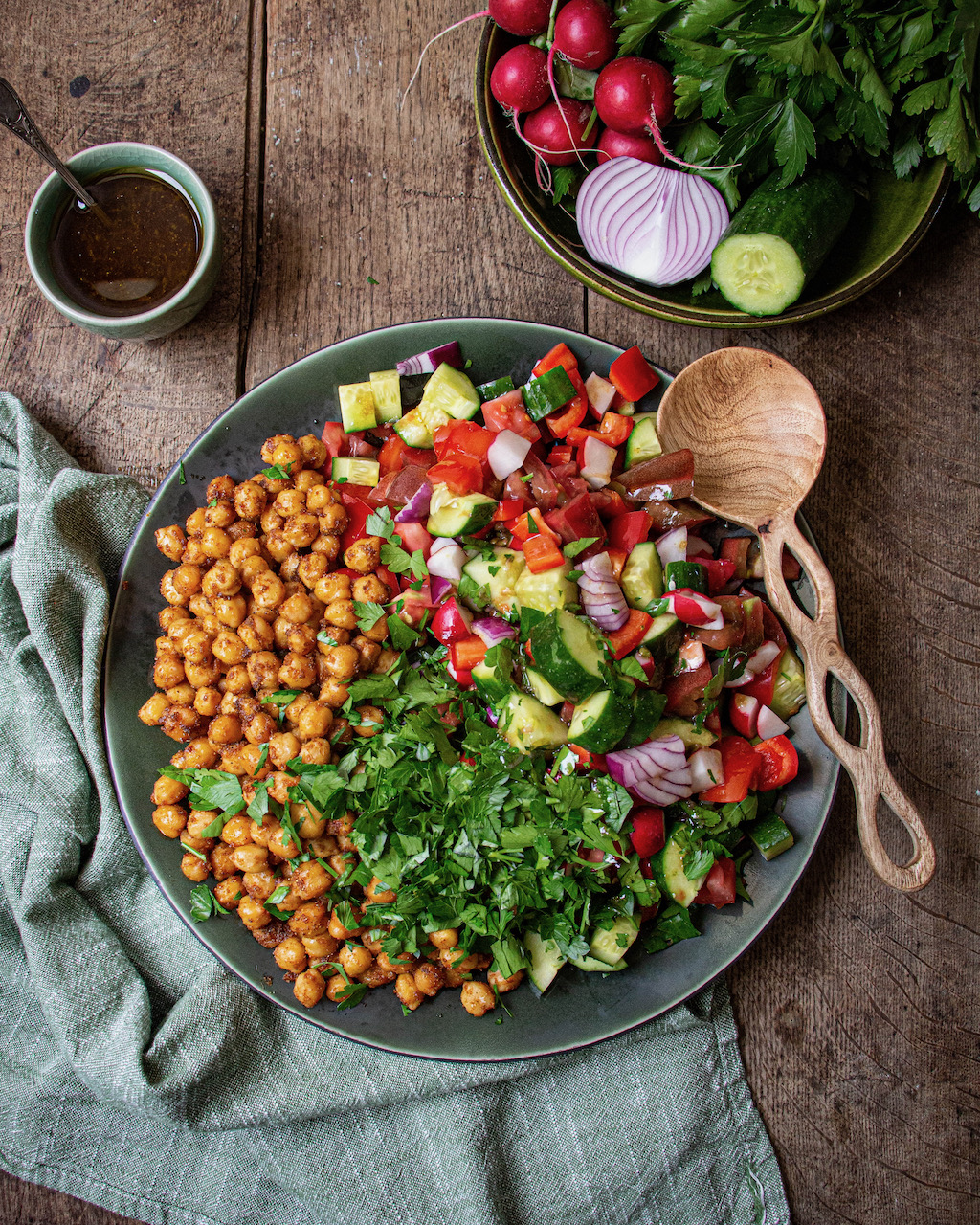
In summer salads: the salad from my friend Claire, the carrots-cumin-pepper version, and the chickpeas and coppa salad for meat lovers.
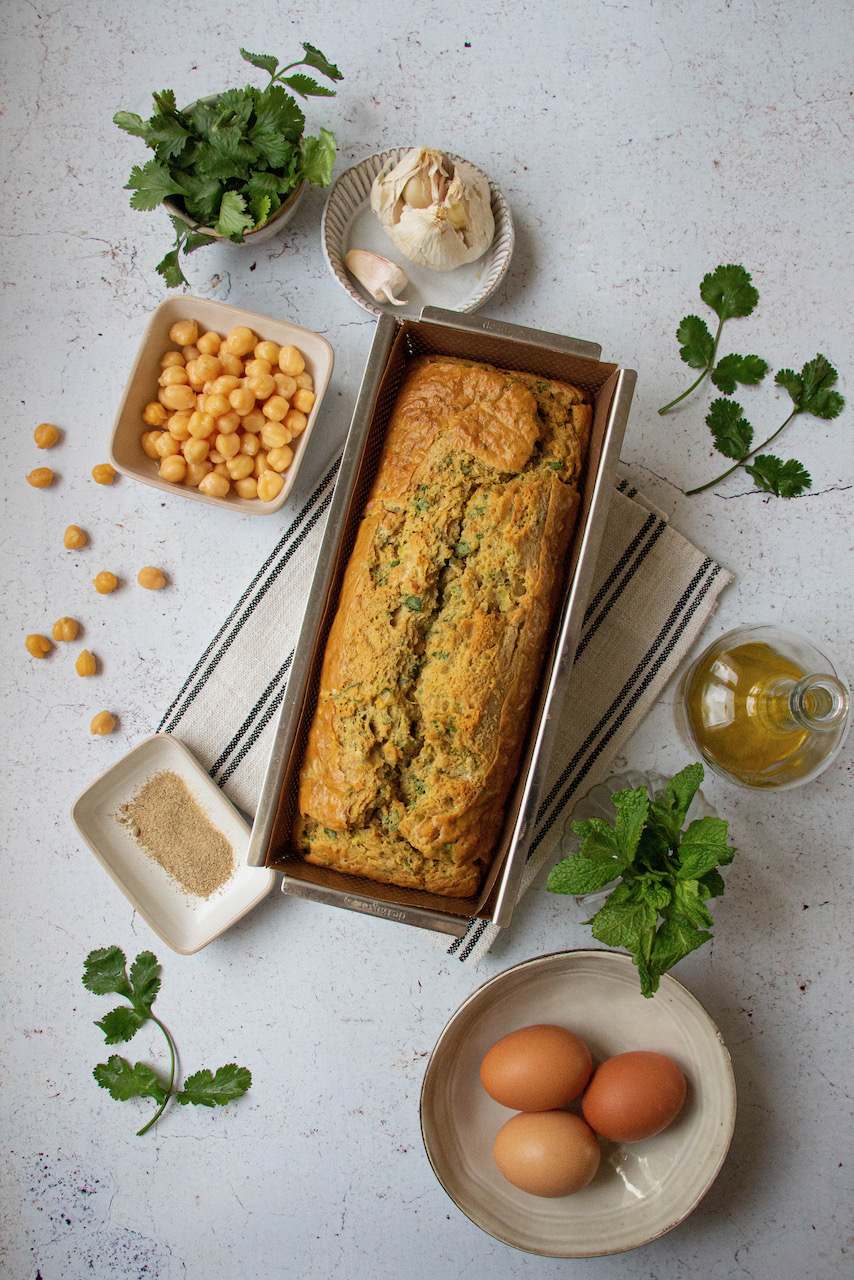
Yes, in a savory version: the savory cake inspired by falafels, perfect for picnics.
Frequently Asked Questions about Chickpeas
We love recipes with chickpeas, but how can we make them more digestible?
A good soak (changing the water), thorough cooking, and careful rinsing of canned chickpeas help make them easier to digest. Starting with small portions also allows your body to adjust to legumes.
Can cooked chickpeas be frozen?
Absolutely! They can be frozen for up to 3 months in a bag, and even portioned out. My technique is to cook 500 g at once and freeze them in containers sized like a can.
What should you do with chickpea water (aquafaba)?
Don’t throw it away! When whipped, it can substitute for egg whites in vegan chocolate mousse. It’s pure magic.
Why Are Chickpeas Good?
Chickpeas certainly deserve their place in our daily diet. Used for centuries in many cuisines worldwide, they are tasty, economical, and particularly interesting from a nutritional standpoint.
Rich in plant-based proteins, chickpeas help diversify protein sources within meals. They are also an excellent source of fiber, promoting satiety and supporting healthy digestion. This is one of the reasons they fit so easily into balanced meals.
Chickpeas also provide B vitamins, iron, magnesium, and potassium. These nutrients play important roles in the body’s functions and are particularly involved in energy production.
Their versatility is another great advantage; chickpeas can be used in salads, stews, curries, or soups, as well as in the form of hummus for appetizers. Their creamy texture and delicate flavor allow for numerous combinations with vegetables, spices, and fresh herbs.
Another noteworthy benefit: chickpeas are easy to store and remain accessible year-round, whether dried or canned.
Incorporating chickpeas regularly into your meals is an excellent way to blend indulgence, dietary balance, and variety. A great reason to invite them more often to your plates.
To Continue Exploring Legumes and Eastern Flavors
My red lentil dahl and my Lebanese eggplants capture that same spirit. If you try any of these recipes, tag me on Instagram!
Don’t forget to leave me a little note in the comments. Let me know if these recipes inspire you. You can even make suggestions, I’m open to any new tasty ideas!
No Comments