

Hello foodies,
I know you’re fans of lemon, just like me, and I’m excited to share a new recipe featuring this vibrant citrus fruit. Let’s dive into the delightful world of baking with my Lemon Meringue Cake!
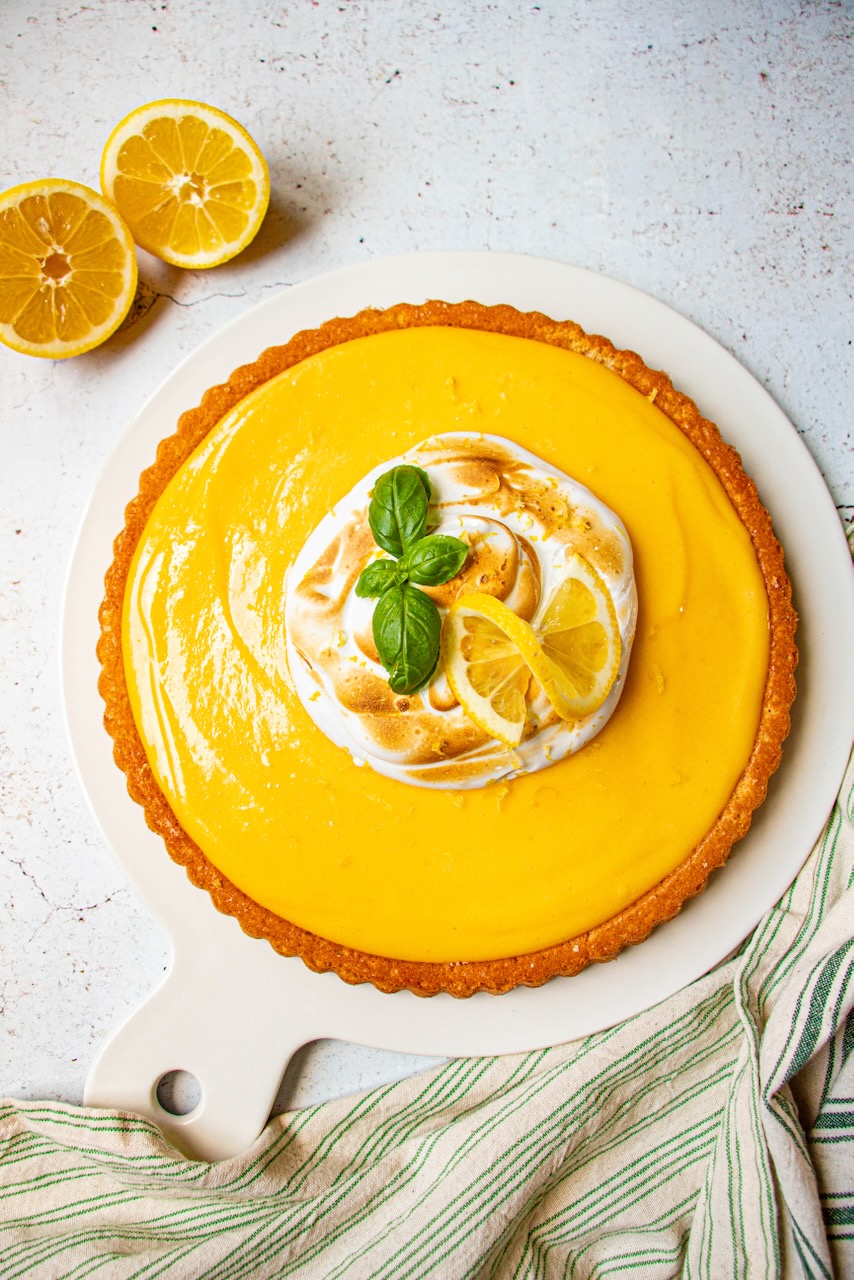
The Inspiration Behind This Lemon Meringue Cake
As is often the case with Casserole & Chocolat, when I discover something wonderful, I tend to stick with it… This is certainly true for lemon meringue pie, one of your favorite recipes here.
This time, I wanted to create a variation in cake form, aiming for a more « snack » style rather than strictly « dessert, » although one doesn’t necessarily exclude the other! Thus, the idea for this lemon meringue cake was born…
Several Variations Just for You
Yes, this isn’t my first twist on the lemon meringue pie. Let me remind you…
You can find the Thermomix version of lemon meringue pie (or any other food processor). You might also enjoy my lemon and praline meringue tartlets. And to top it off, there’s my visually and flavor-wise delightful lemon, lime, and basil tart. These are truly indulgent options!
What’s Different About This Lemon Meringue Cake?
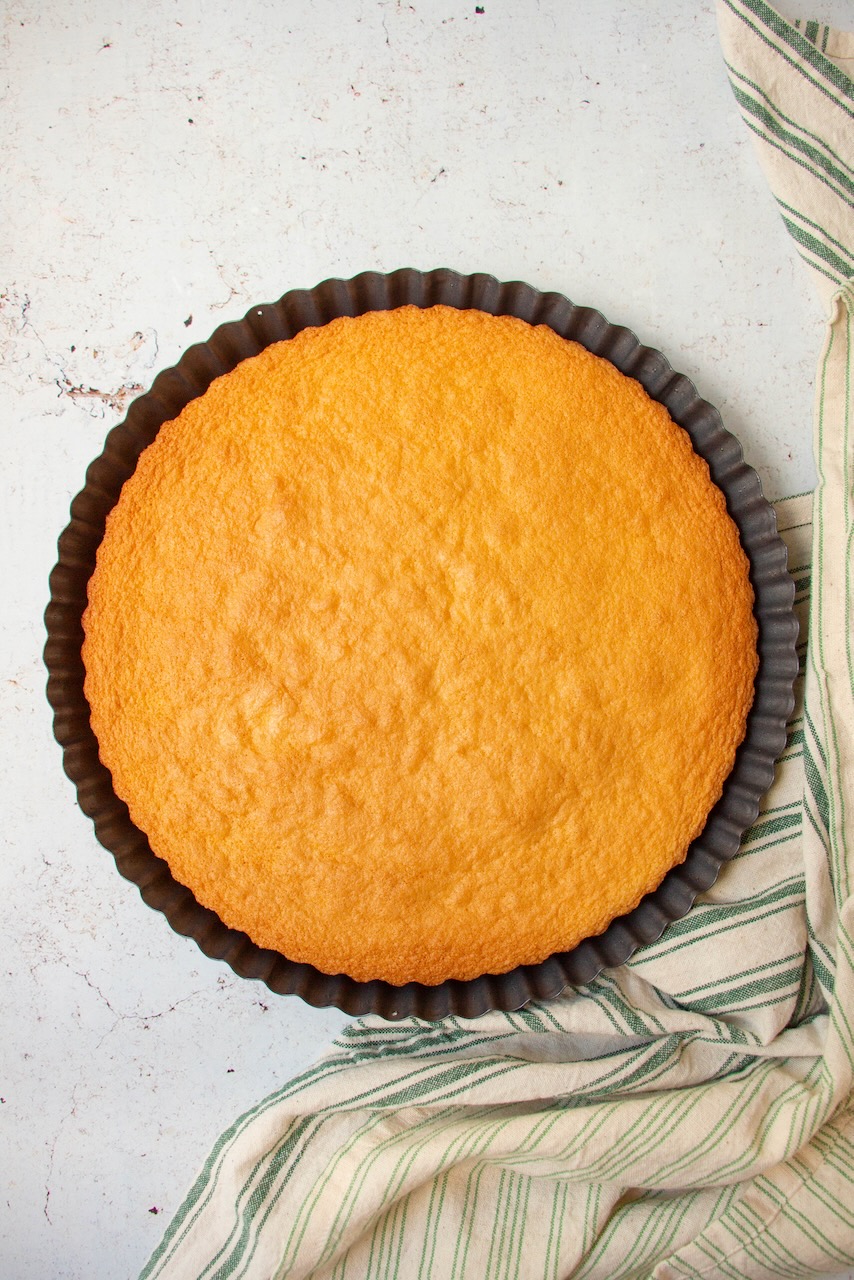
What’s changing with this recipe today? Not much, actually, just one component: the base. I’m swapping out my sweet pastry dough or my shortcrust pastry for a delicious sponge cake. And that’s going to make all the difference!
Shortcrust pastry is crumbly and crunchy, perfect for rustic or fruity tarts. Sweet pastry dough, on the other hand, is finer and crispier, providing better structure and a more aesthetically pleasing finish, ideal for contemporary tarts.
In contrast, the sponge cake is a soft and airy base, commonly used for mousses or some modern tarts. This is what I aimed for here. It absorbs syrups or creams better, adding a delightful softness, sweetness, and lightness on the palate.
So, your choice depends on the desired texture: crunchiness with shortcrust or sweet pastry versus the lightness of sponge cake.
The Composition of This Cake
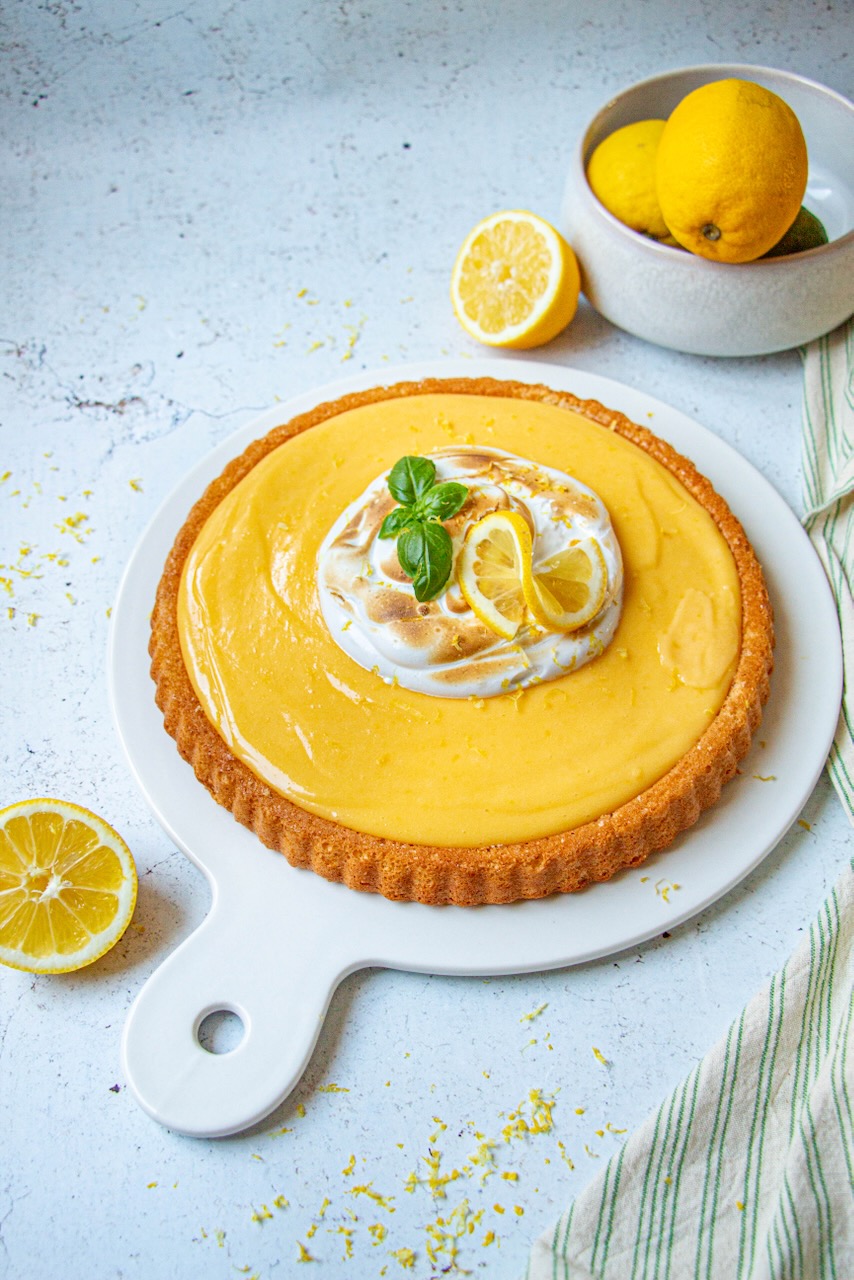
You probably understand that this is quite a simple recipe I’m presenting. If you’re a regular on the blog, you’ll have no trouble with this!
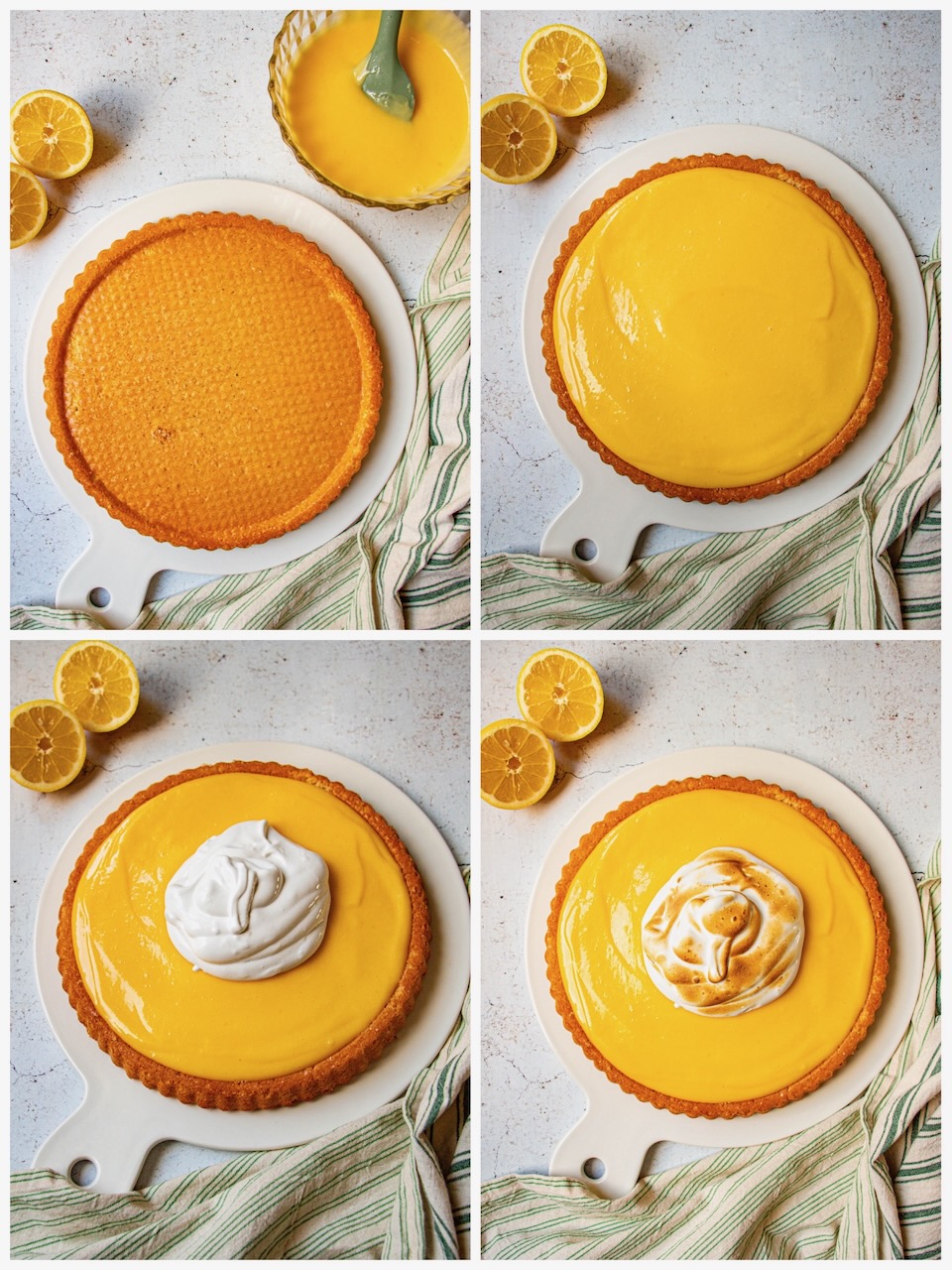
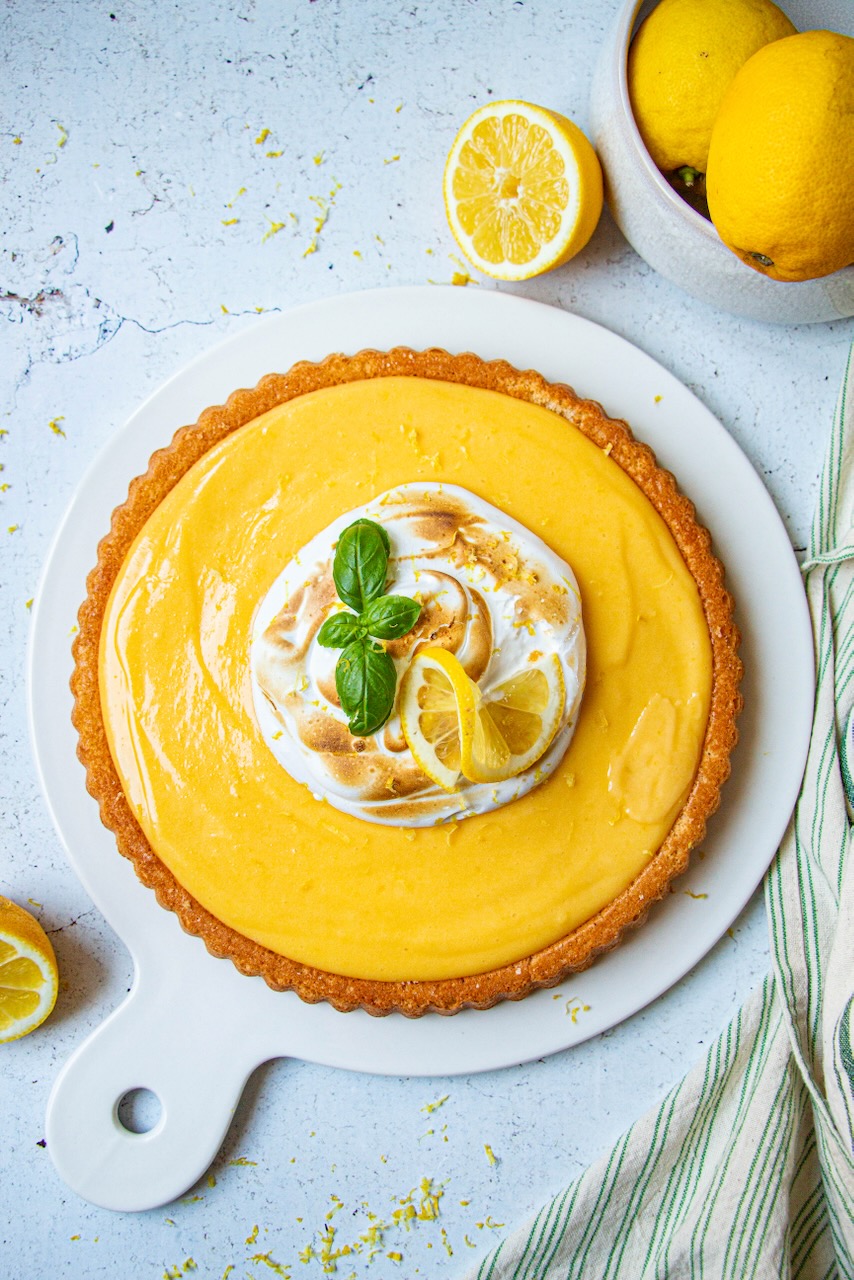
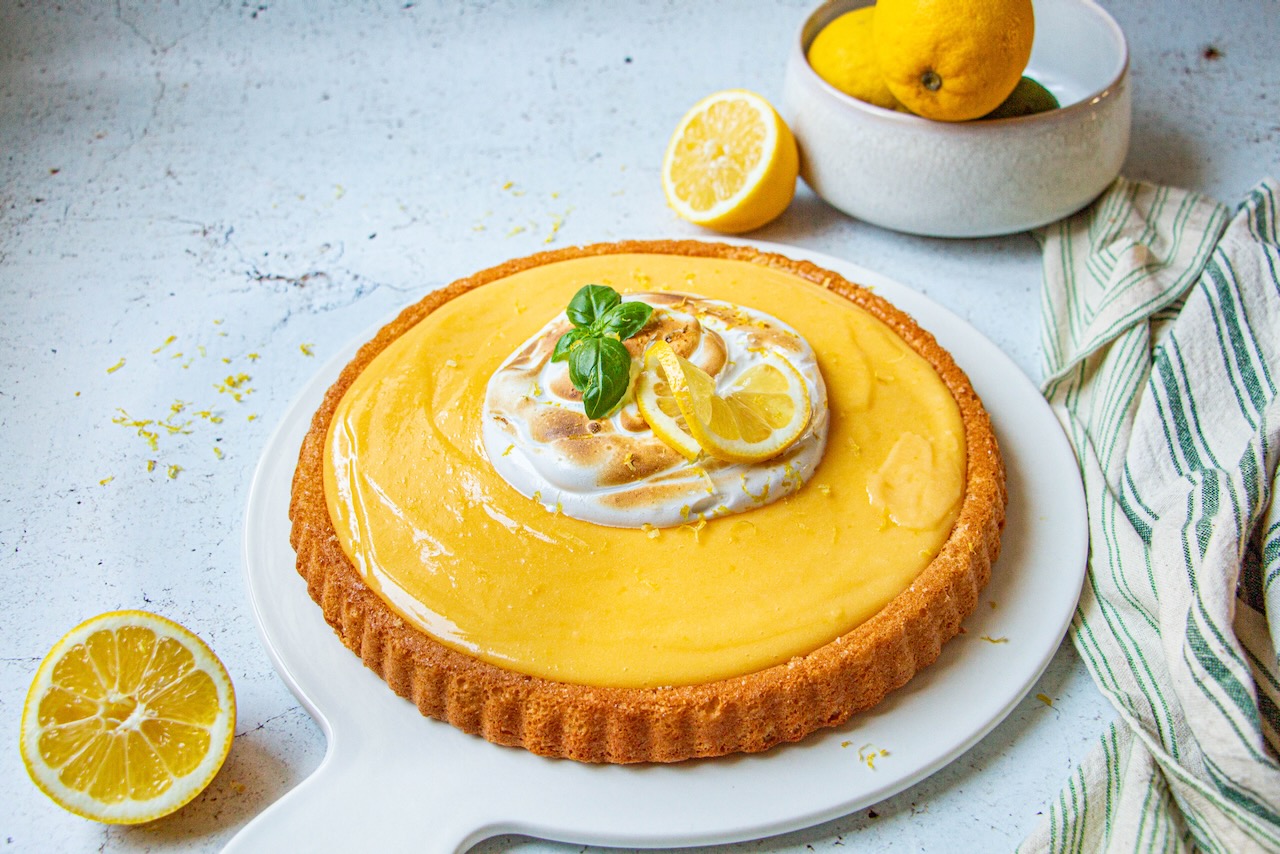
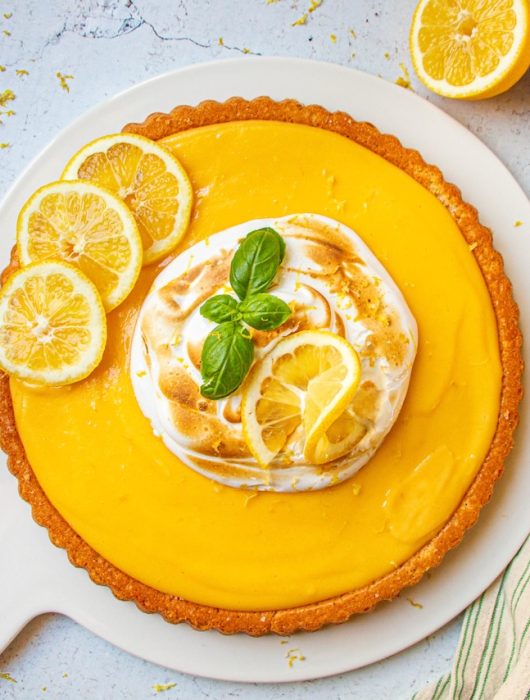
You’ll be making a sponge cake. Ideally, use an inverted tart mold to give your cake a slight edge all around. This helps to « contain » the lemon cream poured over it.
You’ll finish off with the traditional meringue. Feel free to pile it on more than I did here. Are we being indulgent or super indulgent??
However, you can absolutely make this cake without meringue. This will yield a less sweet dessert where the tanginess of the lemon really shines through. The choice is yours!

My Tips for Perfecting Your Sponge Cake
Sponge cake is a fundamental component in pastry making, and its success relies on a few key techniques to achieve a light texture and easy removal from the mold.
To master the sponge cake, it’s crucial to whisk the eggs and sugar thoroughly until you achieve a frothy mixture that doubles or triples in volume. This step incorporates air, ensuring an airy texture. Next, gently fold in the flour to avoid deflating the batter.
Baking must also be controlled: Preheat your oven to convection mode and avoid opening the door during baking to prevent collapsing. Once baked, let it cool for a few minutes before removing it from the mold. Don’t let it cool completely, or your sponge cake may stick to the mold.
For easy removal, ensure your mold is well-prepared by greasing it and lining the bottom with parchment paper. You can also run a knife along the edges after baking.
One last note: you can add lemon zest to the sponge cake to enhance the citrus flavor.
Essential Utensils
- A food processor
- One inverted tart mold
- A saucepan
- One heat-resistant mixing bowl (or a salad bowl)
- A whisk (electric, if possible)
- One citrus juicer
- A fine mesh strainer
- One piping bag
- A nozzle of your choice (round, scalloped, Saint Honoré, etc.)
Other Ideas Just for You
If you enjoy fruity and slightly tangy desserts, be sure to explore other recipes on the blog that balance these flavors so well.
When I’m craving a simple yet ultra-flavored seasonal dessert, I often find myself revisiting my Rhubarb Tart, with its tangy notes that awaken the palate.
For sunny tarts, the Apricot Tart is a must-have in my home, especially during summer, much like the delightfully soft Creamy Apricot Cake, which is always a hit with fans of soft desserts.
In the fall, I can’t resist the Moist Fig Cake, perfect for enjoying with a steaming cup of tea.
And if you’re in the mood for a dessert that’s slightly more sophisticated yet still very simple to make, I recommend the Great Financier with Almond, Pear, and Chocolate; it’s truly a little indulgent treat.
There you have it, I’ve shared everything. Now let’s put on our aprons, head to the kitchen, and create a delightful lemon meringue cake!
The recipe awaits, Chef!
Lemon Meringue Cake
 ( Vote !)
  Loading...
Ingredients
- Sponge Cake
- 2 large eggs
- 67 g of sugar
- 20 g of cornstarch (Maïzena)
- 50 g of flour
- Lemon Cream
- 3 lemons
- 60 g of butter
- 2 eggs
- 1 egg yolk
- 150 g of sugar
- 1 sheet of gelatin (optional)
- Meringue
- 3 egg whites
- 200 g of icing sugar
- a pinch of salt
Instructions
Genoise
Preheat your oven to 190 degrees.
Whip the eggs and sugar in a large bowl.
Place this mixture in a water bath and whisk with an electric whisk until well whitened and a temperature of about 50 degrees. (the mixture should triple in volume)
Remove from the water bath and continue whisking until 25-30 degrees (you should be able to touch the bowl without feeling great heat).
Add the sifted flour and cornstarch in 2 parts, gently mix with a spatula.
Pour into your buttered and floured mold.
Bake for 15 minutes.
Cool on a rack.
Lemon Cream
Put the sheet of gelatin in cold water. (to ensure you have a well-set cream after cooling)
Zest the lemons and juice them. You should obtain about 150 g of lemon juice.
Pour the lemon juice into your saucepan, add the zest, sugar, and butter. Cook for 3 minutes over medium heat (3 out of 6) while whisking.
Add the eggs and yolk and cook over higher heat (4 out of 6) without stopping to whisk vigorously.
Cook like this for about 2 minutes. Your cream should begin to thicken.
Remove from heat. Pass your cream through a strainer to remove any solid parts.
Add the squeezed gelatin sheet and mix.
Pour over your cooled genoise.
Meringue
Beat the egg whites into stiff peaks. When they become frothy, gradually add the powdered sugar and continue to whisk until you have a nice firm meringue.
Pipe your meringue using a piping bag.
Use a torch to achieve a nice golden color.
No Comments