
Hi friends,
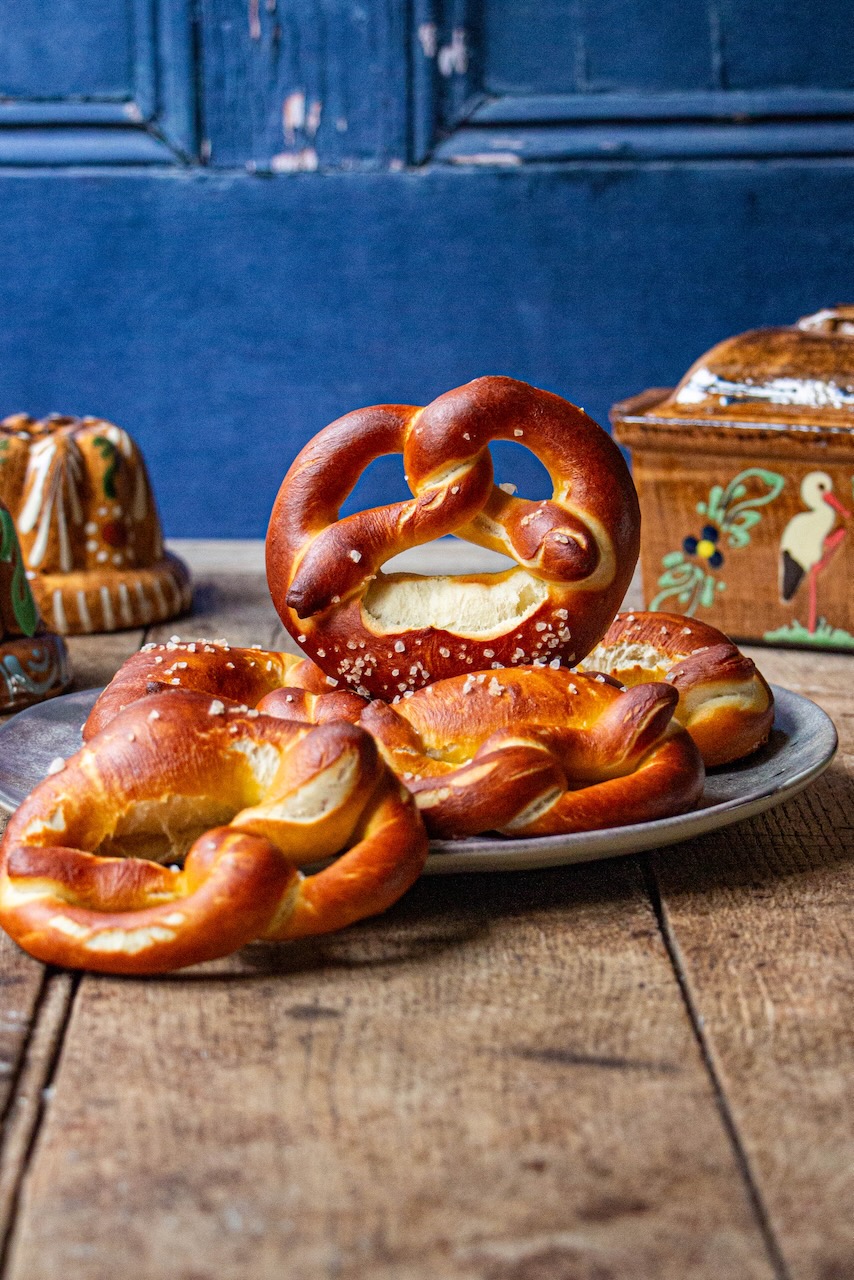
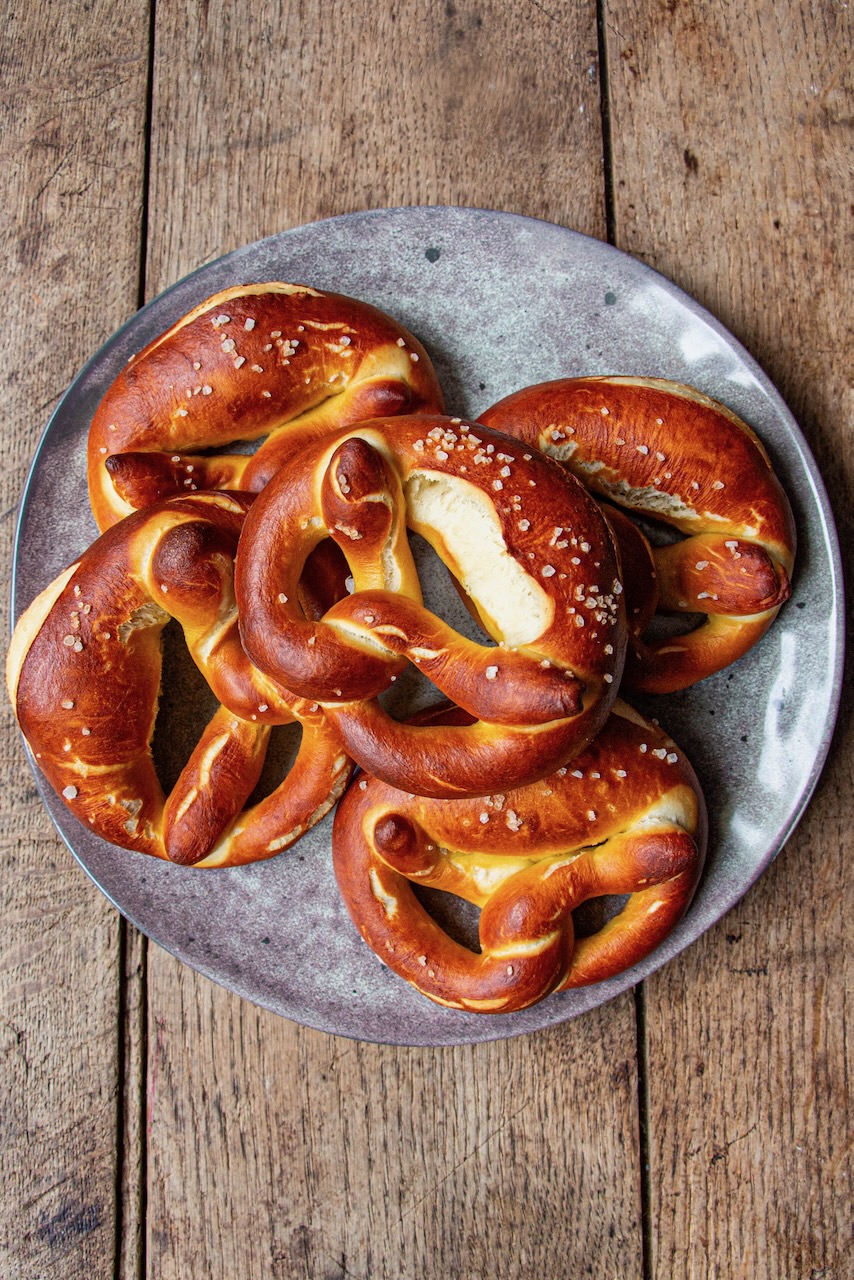
Here are my poolish pretzels, a delightful way to rediscover the authenticity of this iconic specialty from Alsace, featuring a particularly developed and fluffy dough. These pretzels with poolish are a true symbol of Alsatian gastronomy, with their recognizable shape, golden crust, and generous sprinkle of coarse salt.
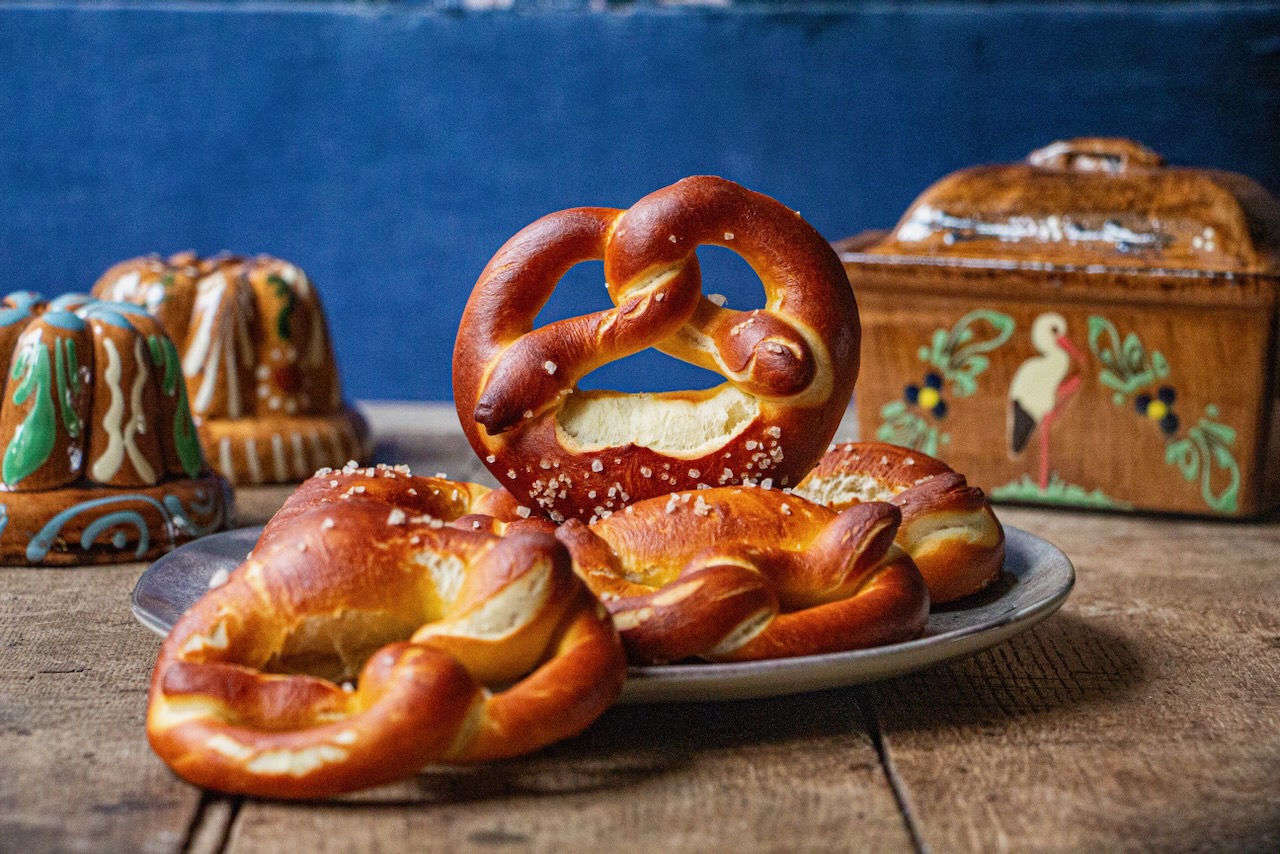
The pretzel is one of those recipes that instantly tell the story of a region. In Alsace, you can find them on tables, in bakeries, at markets, and, of course, during convivial gatherings. With their recognizable shape, golden crust, and generous sprinkle of coarse salt, pretzels have become a true symbol of Alsatian gastronomy.
This poolish version requires a bit of planning, but it remains a homemade pretzel recipe accessible to everyone, with simple ingredients and an especially indulgent result.
The Pretzel, a True Alsatian Tradition
It’s hard to talk about pretzels without thinking of Alsace. Even though this specialty exists in various forms across several European regions, the pretzel is deeply rooted in Alsatian culinary culture.
Its history is ancient and shrouded in multiple tales. Over time, the pretzel has woven itself into the baking traditions of Eastern France, becoming an essential part of Alsatian cuisine.
In Alsace, pretzels accompany both appetizers and friendly meals. They can be enjoyed plain, with cheese or cold cuts, or simply still slightly warm, delivering that characteristic salty taste.
What I love about this recipe for pretzels with poolish is: a very simple product, yet immediately recognizable and filled with memories.
Why Use a Poolish for Pretzels?
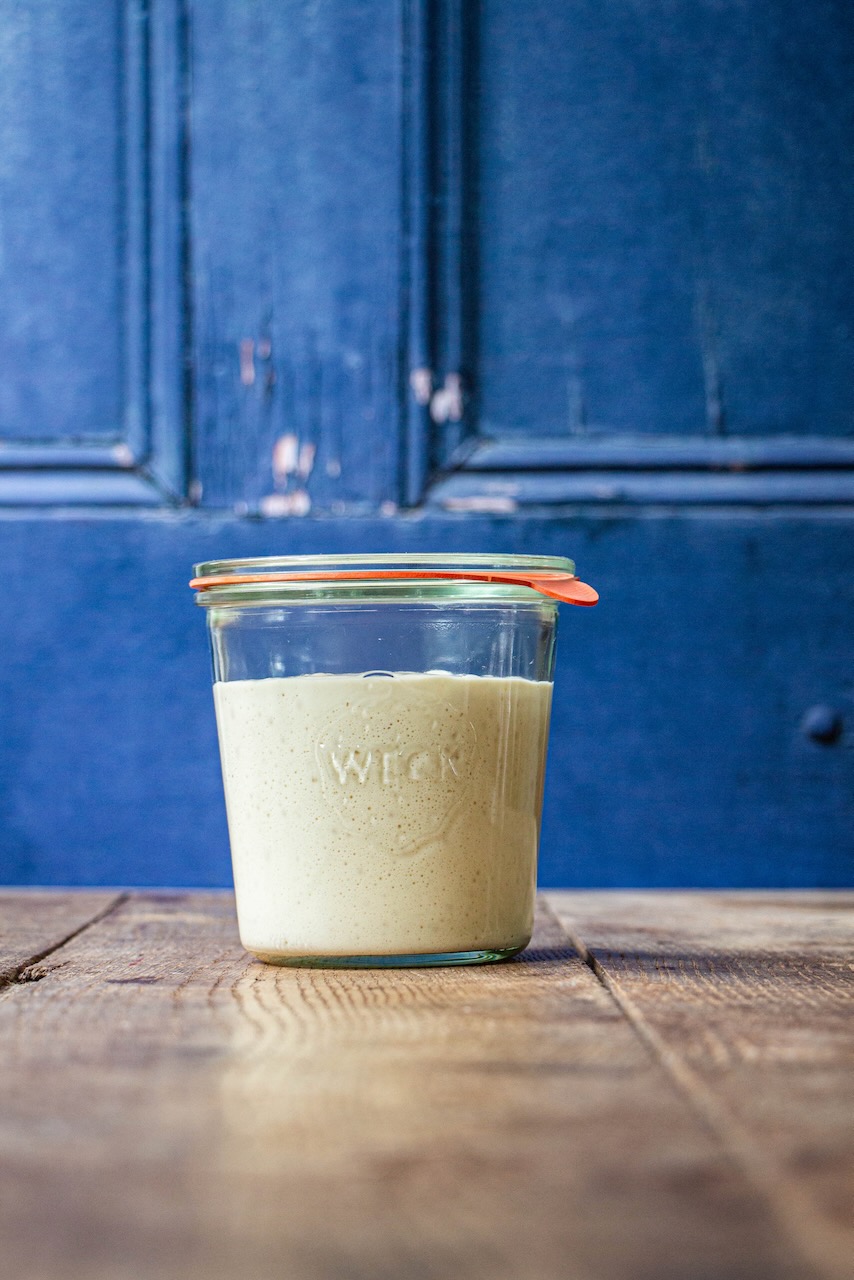
Poolish is a liquid preferment prepared using a portion of the flour, water, and yeast from the recipe. It rests before being mixed into the final dough.
Poolish, or liquid starter in English, consists of flour, water, and a small amount of yeast. It enhances aromatic development, improves the dough’s extensibility, and ensures more consistent fermentation. It is particularly well-suited for breads and pastries that aim for softness and fine structure.
Moreover, it helps give pretzels a wonderfully pleasant texture, with a soft crumb and a delightful structure.
This is a fascinating technique for home baking, allowing you to elevate a classic risen dough without resorting to a complicated method.
Poolish mainly requires a little planning (a minimum of one night). Once this step is organized, the recipe remains very straightforward.
Simple Ingredients for an Authentic Recipe
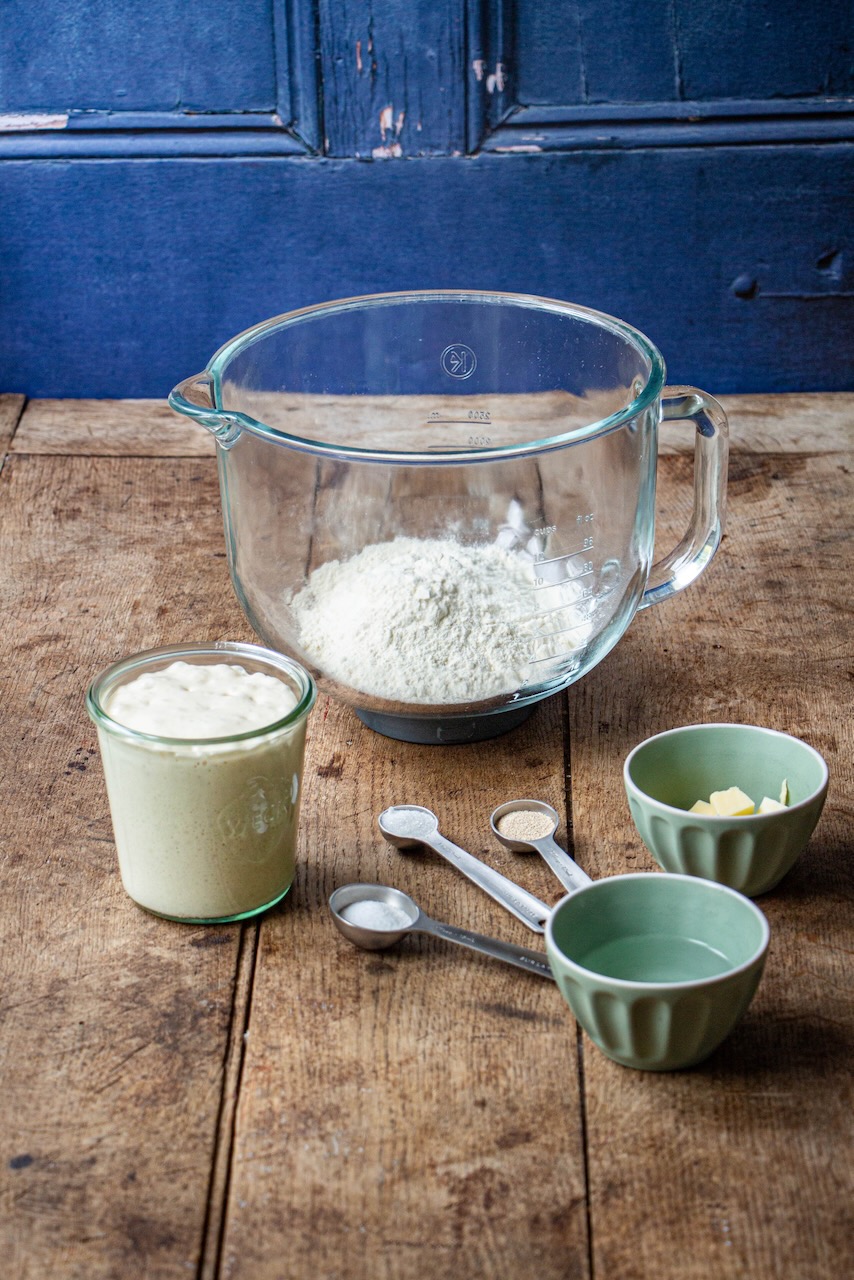
As is often the case with traditional recipes, poolish pretzels rely on everyday ingredients: flour, water, yeast, salt, and a bit of fat.
The uniqueness comes primarily from the kneading technique used to achieve that recognizable texture.
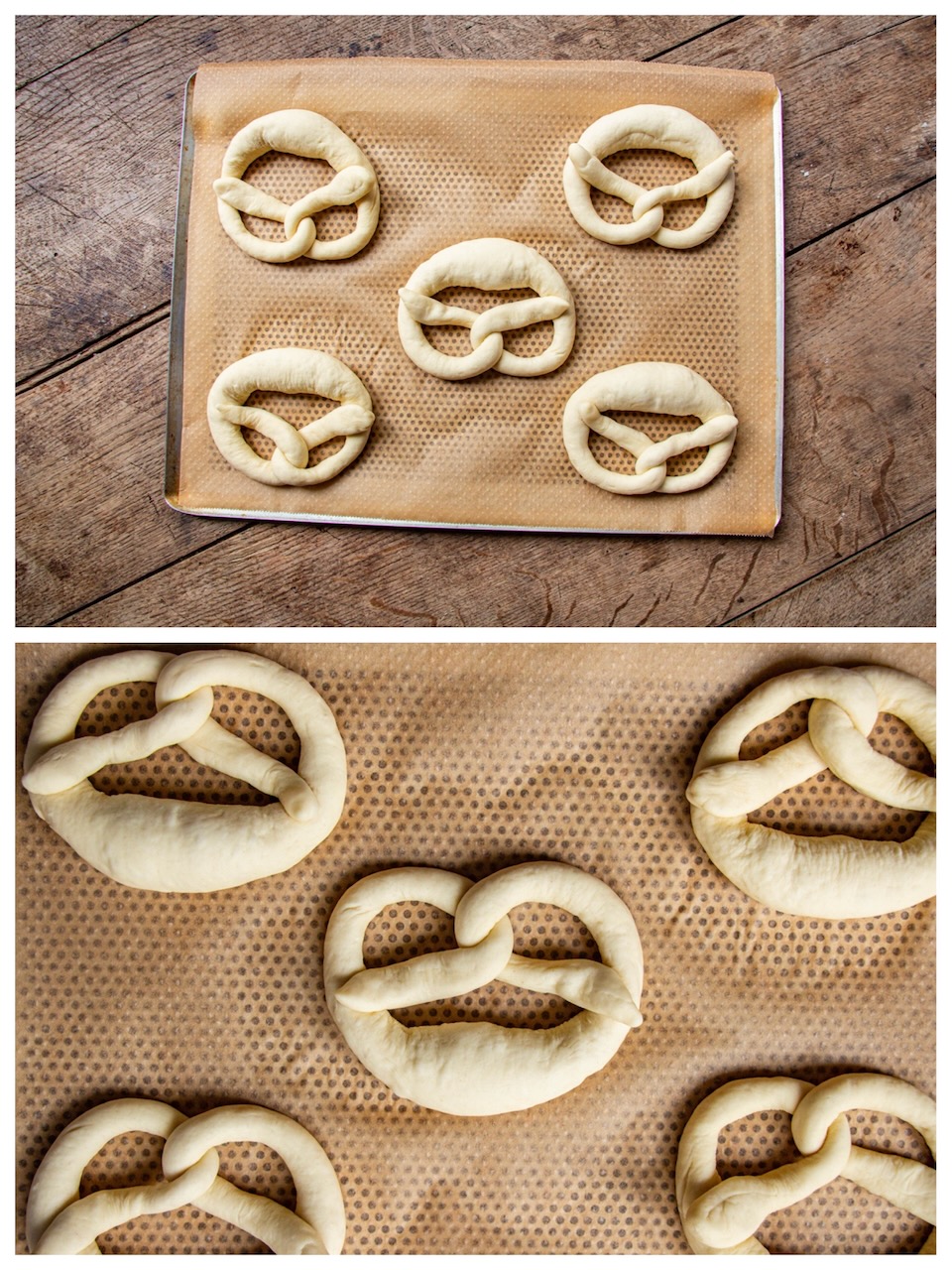
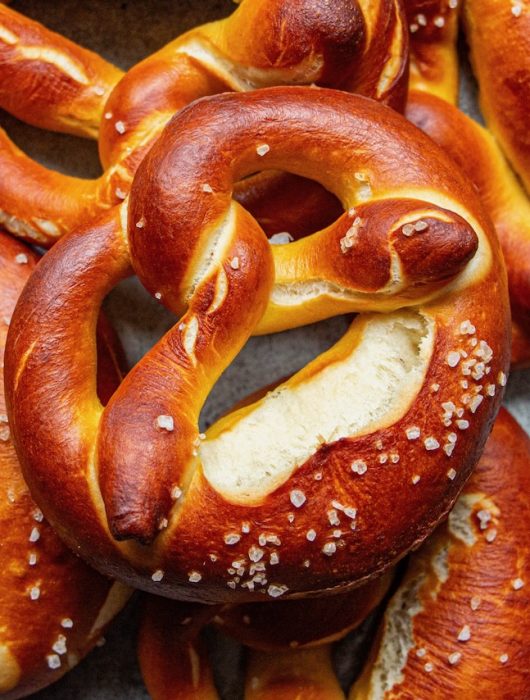
After shaping, the pretzels take their traditional form, with two crossed arms and a slightly thicker center. They are then treated to achieve a beautiful brown color and glossy surface before being generously sprinkled with coarse salt.
Few ingredients, lots of indulgence: that’s precisely what I love about regional recipes.
Pretzels, Moricettes, and Alsatian Recipes
If you love homemade pretzels, I also recommend checking out my two other recipes featuring this specialty.
My pretzels from Alsace are a classic version that revives the flavor and traditional shape of this beloved regional dish.
The moricettes, on the other hand, use a similar dough to pretzels. This Alsatian specialty features a small bread shape, perfect for savory toppings.
These recipes differ, yet they all tell the same story: a generous, friendly Alsatian cuisine that is deeply connected to baking traditions.
When to Prepare Homemade Pretzels?
Pretzels are particularly suited for friendly gatherings. They can be served as an appetizer, at brunch, during a buffet, or simply to accompany a cheese and charcuterie platter.
They are also perfect for family meals and large gatherings, especially during times when we enjoy cooking comforting recipes.
Although pretzels are enjoyed year-round in Alsace, I find that they take on a special significance in autumn and winter, when one craves warm and generous dishes that are easy to share.
They also naturally find their place during the festive season and at Alsatian Christmas markets, where baked goods and regional recipes play an important role.
Why I Love This Poolish Pretzel Recipe
What I particularly enjoy is the contrast between the simplicity of the recipe and the delightful final result.
The poolish adds a true baking element without making the recipe feel inaccessible. The dough remains composed of simple ingredients, and shaping the pretzels can even be a fun activity to do at home.
It’s also a recipe that allows you to bring a bit of Alsace into your kitchen, even if you don’t live in the region.
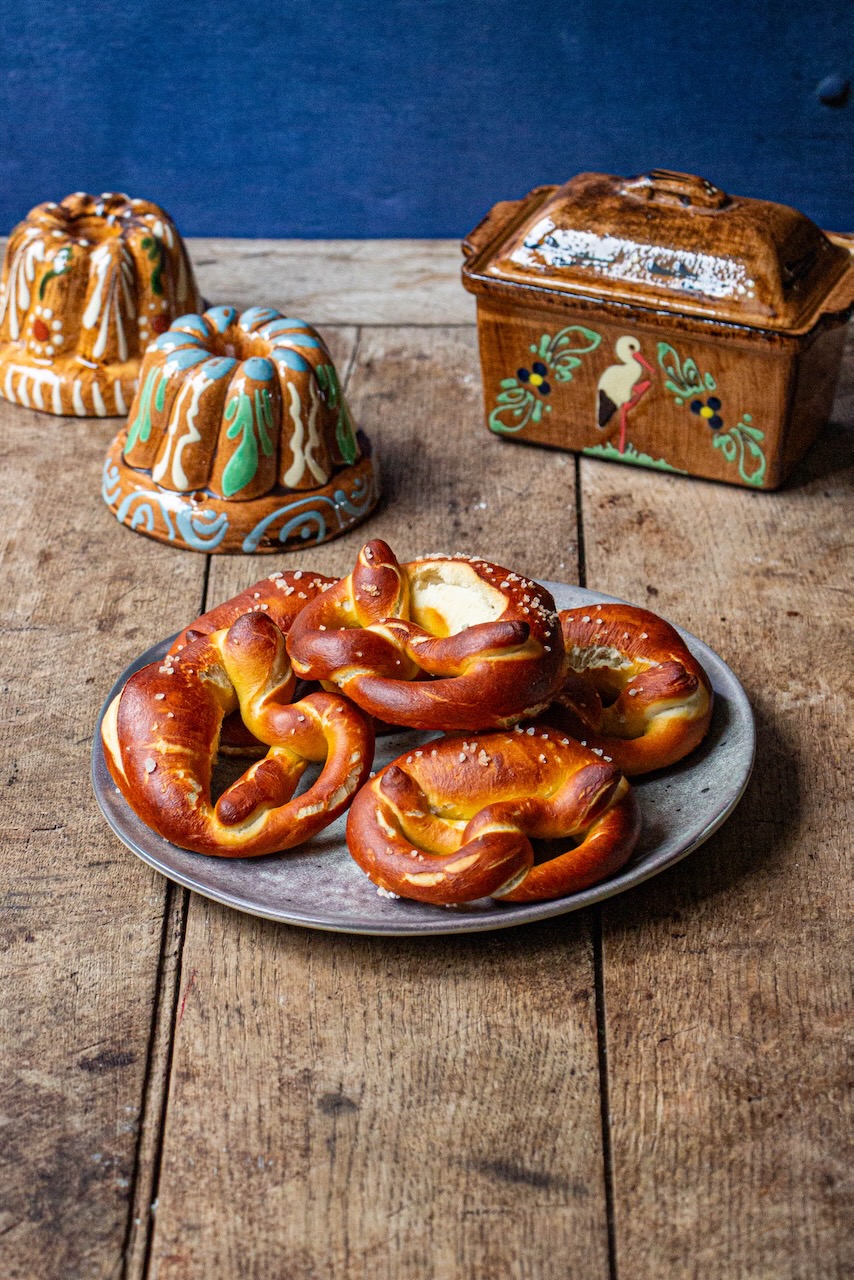
And then there is the incomparable pleasure of indulging in a homemade pretzel while still slightly warm, with its golden crust, soft dough, and grains of coarse salt.
What to Pair with Pretzels?
The pretzel is delicious served plain, but it also makes an excellent base for a friendly meal.
You can serve it with:
- an assortment of Alsatian cold cuts;
- various cheeses;
- ham or smoked salmon;
- a mixed salad;
- one cheese sauce or mustard sauce;
- and an Alsace beer to maintain the regional spirit.
For a more indulgent option, the pretzels can also be filled like small breads and used as a sandwich base.
A Regional Recipe to Pass On
Alsatian recipes have a unique way of taking us on a journey through very simple gestures and flavors. The pretzel is a perfect example of this.
Its shape, subtle saltiness, and characteristic texture evoke the essence of Alsace. With this poolish version, I reconnect with this tradition while utilizing a baking technique that enhances the dough’s texture and development.
It’s a recipe I love to prepare for its authentic, warm, and generous qualities. Above all, it’s the kind of recipe that inspires sharing.
The Necessary Utensils
A stand mixer with a kneading hook,
One baking mat,
A saucepan,
And ideally a scoring blade (or, if none is available, a sharp knife).
There you go! I believe I’ve covered everything. Let’s meet in the kitchen: put on your apron. You’re going to make your moricettes! They are so good!!
The recipe, Chef!
Pretzels on Poolish Base
 ( Vote !)
 Loading...
Alsatian pretzels based on poolish rested overnight in the refrigerator, dipped in a baking soda water bath before baking in the oven, for a traditional and very soft recipe.
Ingredients
- Poolish
- 125 g of flour T65
- 125 g of water
- 1 g of dry baker's yeast (1/4 teaspoon)
- Pretzel Dough
- 250 g of flour T65
- 70 g of water
- 6 g of sugar
- 9 g of salt
- 4 g of dry baker's yeast (3/4 teaspoon)
- 25 g of soft butter
- Finishing
- 75 g of baking soda
- Coarse salt
Instructions
Poolish
Dissolve the water in a bowl over the flour and the yeast.
Mix well and cover with plastic wrap (without letting the wrap touch the dough).
Set aside in the refrigerator for at least one night (24 hours ideally).
Pretzel Dough
Put all the ingredients, along with the poolish, into the bowl of your mixer.
Start kneading on low speed.
When the dough starts to pull away from the sides, increase to medium speed and knead for another 2-3 minutes.
Cover with a cloth and let rise for 1.5-2 hours in a warm place. The dough should double in volume.
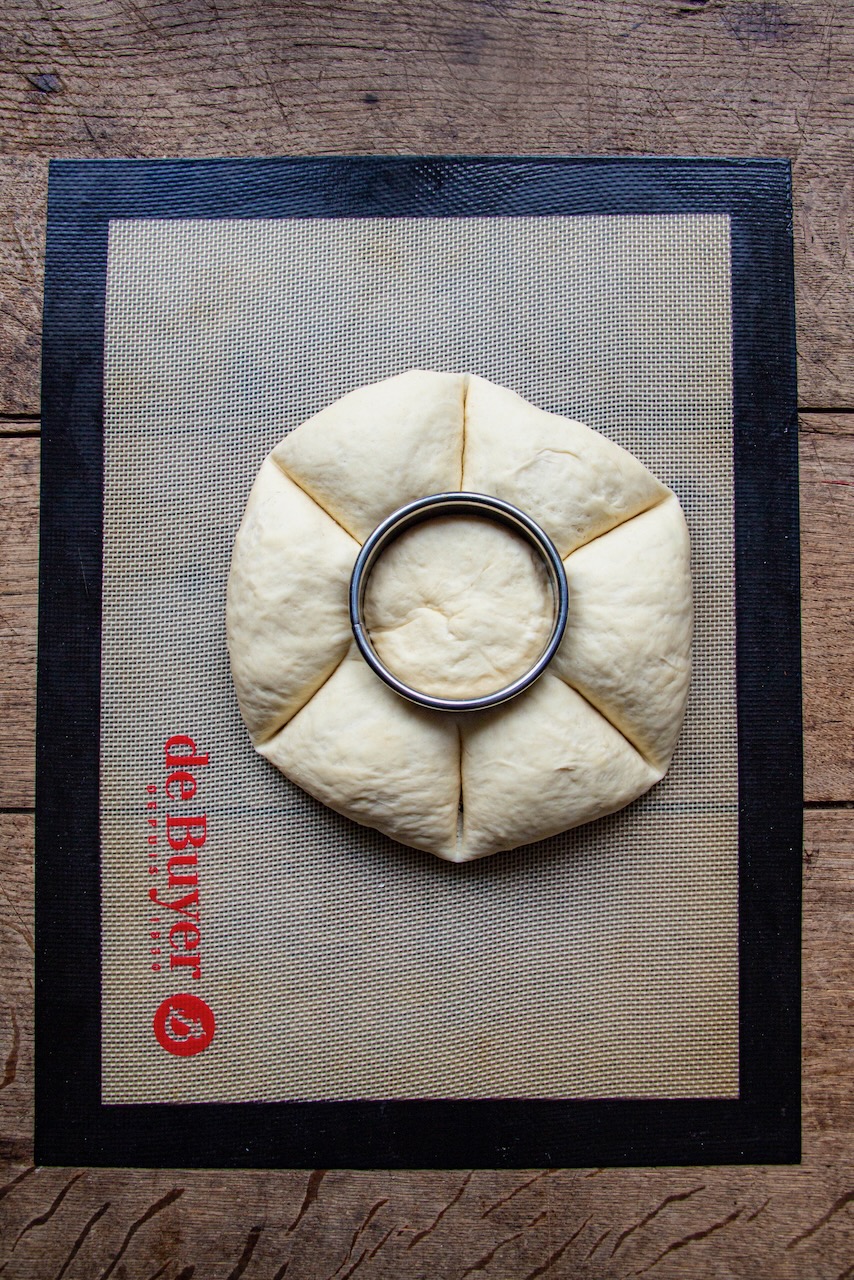
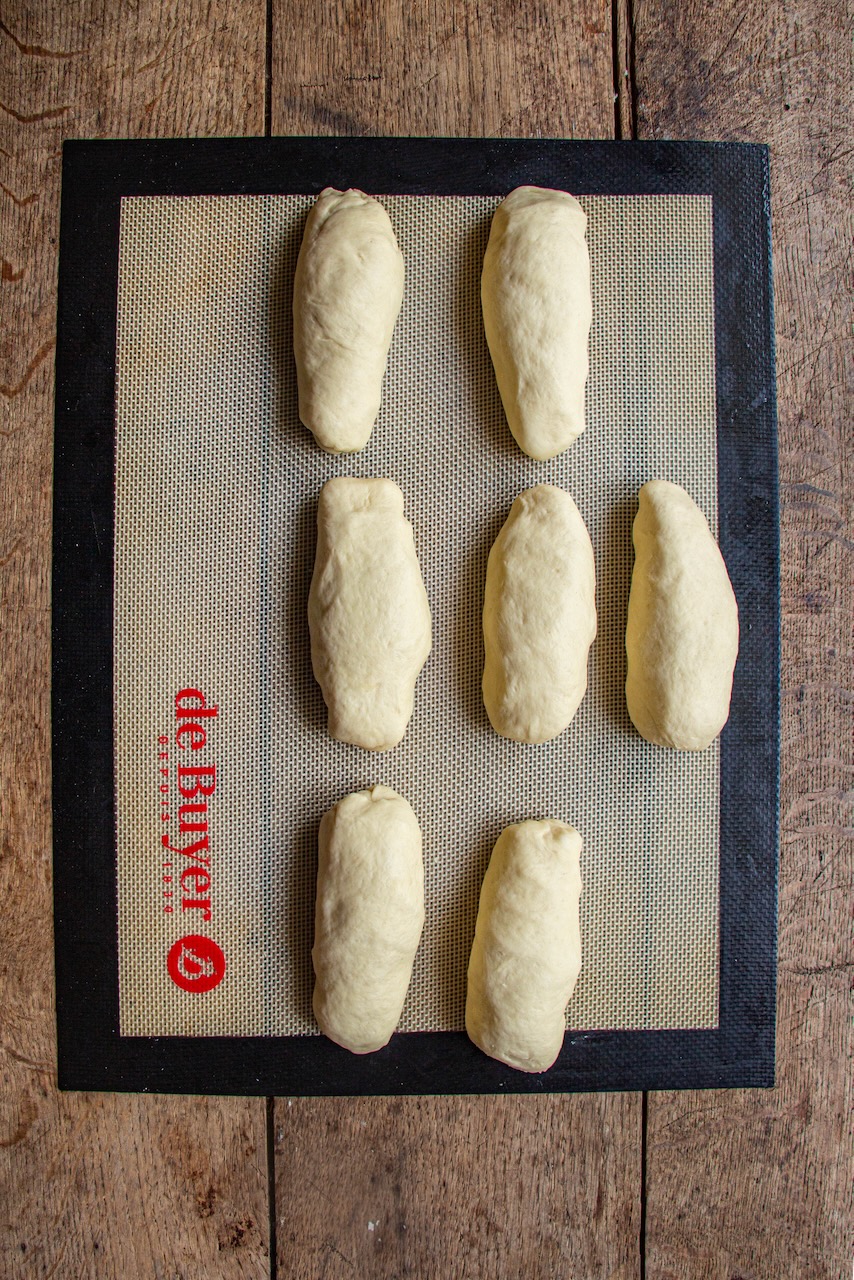
Then degas your dough and divide it into 7 pieces.
Roll out the pieces gently and shape them into pretzels.
Let rest for 10 minutes.
Meanwhile, preheat your oven to 220 degrees.
Then heat 2 liters of water with the baking soda (put the baking soda in the still cold water otherwise it creates a geyser!!) and plunge the pretzels in it.
Leave them for 10 seconds, then flip them and remove them after an additional 10 seconds.
Make a horizontal cut in the thickest part of the pretzel and sprinkle with coarse salt if desired.
Bake for about 15 minutes.
Remove from the oven and let cool on a wire rack.
FAQ: Pretzels with Poolish
What is a poolish?
Poolish is a liquid preferment typically composed of flour, water, and yeast. It rests before being incorporated into the dough, significantly aiding in the development of the dough and enhancing its flavor.
Why use a poolish to make pretzels?
Using poolish helps achieve a more developed dough and a particularly pleasant texture. It also adds depth of flavor to the pretzel while keeping the recipe relatively simple.
What is the origin of the pretzel?
The pretzel has ancient origins, and its history is tied to several European traditions. Today, it is especially emblematic of Alsace and is a must-try specialty of the region.
What is the difference between a pretzel and a moricette?
Both specialties use similar dough and share characteristic shapes and preparation methods. The moricette is typically shaped like a small bread roll, making it especially suited for toppings, while the pretzel boasts its traditional knot shape.
Can you prepare pretzels in advance?
Yes, you can plan the preparation in advance, particularly thanks to the use of poolish. This method requires organizing enough time for the various fermentation stages.
What to serve with Alsatian pretzels?
They are delightful as an appetizer or during a friendly meal. They can be paired with cold cuts, cheeses, mustard, or various spreads. They can also be used to make sandwiches.
Are pretzels a specialty exclusive to Alsace?
Pretzels can be found in various regions and countries across Europe, especially in Germanic traditions. In France, they are particularly associated with Alsace and are an integral part of its gastronomic heritage.
No Comments