
Hello foodies,
Here is a new recipe that sits at the intersection of vegetarian cuisine, world flavors, and affordable, easy-to-make dishes! I think you’re going to love it…
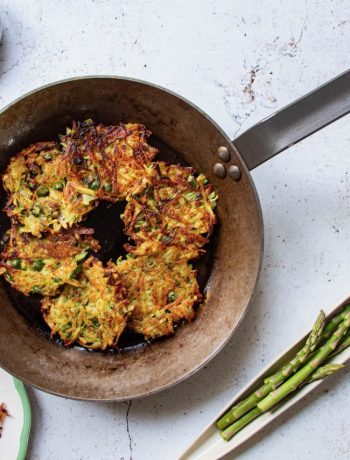
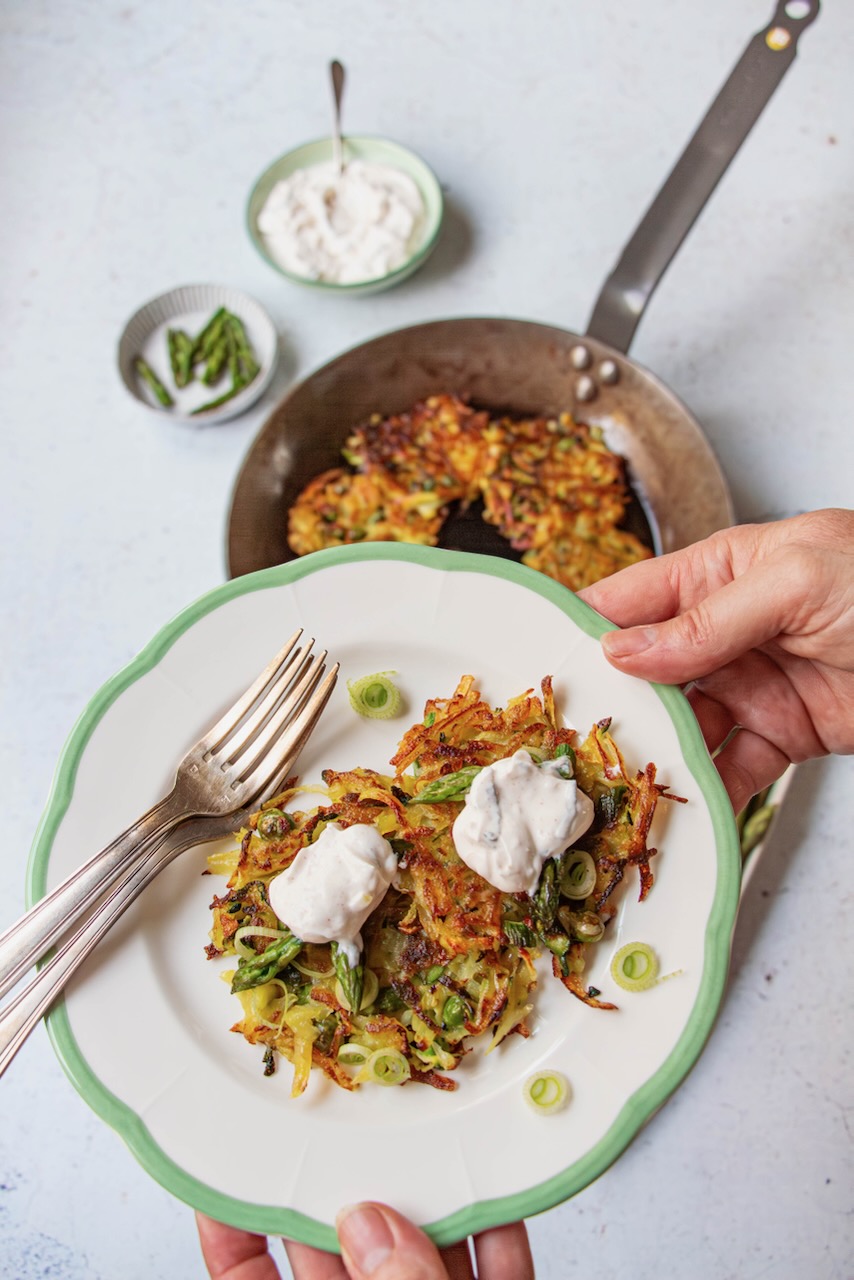
Presenting my spring vegetable rösti!
A recipe that brings others to mind…
Indeed, this spring vegetable rösti recipe may remind you of one or another dish already featured here. And that’s perfectly normal; let me explain… You might be thinking of the Alsatian potato pancakes, or grumbeerekiechele, or perhaps my zucchini and potato cakes. We could even mention my corn cakes…
We’re certainly in the same flavor family!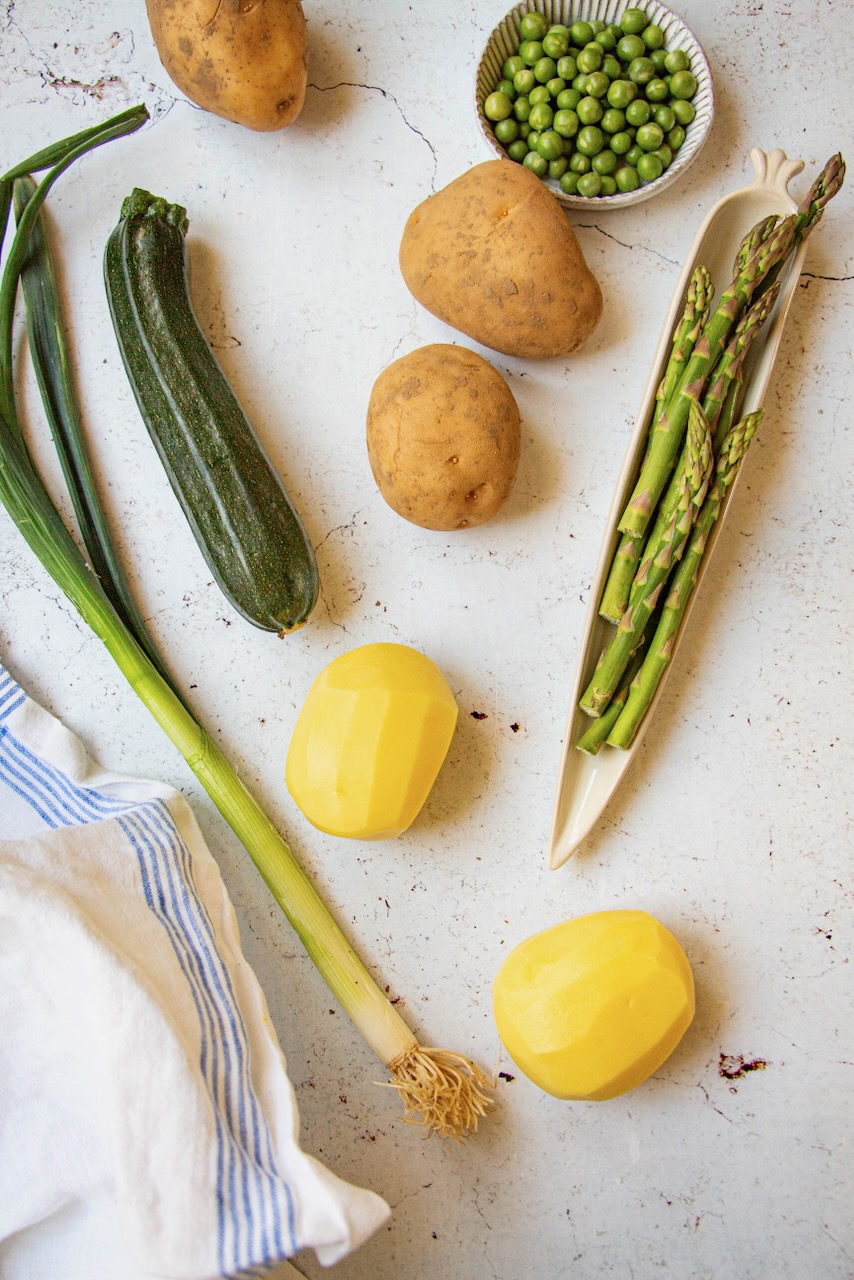
The origin of rösti: history and Swiss culinary tradition
Swiss rösti is a symbol of traditional Swiss cuisine, yet few people are aware of its origins. This potato-based dish emerged in the 19th century in the Bern region, where it served as a hearty breakfast for Swiss peasants, providing the energy necessary for long days of agricultural work.
The word « rösti » comes from the German « rösten, » which means « to grill, » referring to the golden, crispy cooking process in the pan. Initially, this simple dish showcased the culinary ingenuity of the Swiss, transforming a humble ingredient like the potato into a flavorful and filling meal.
Over time, rösti spread from the Bernese countryside to become a beloved dish throughout Switzerland. Today, it is an integral part of traditional Swiss meals, often served with cheese, eggs, or meat, while its preparation remains faithful to tradition.
Beyond being a delicious dish, rösti represents a piece of Swiss cultural heritage, embodying simplicity, togetherness, and culinary authenticity. Whether in restaurants or during local festivals, rösti stands as a living testament to Switzerland’s agricultural and gastronomic history.
A basic recipe found in several culinary cultures
Swiss rösti has delighted palates far beyond Switzerland, leading to numerous regional adaptations in Alsace, Germany, and Austria. Each area puts its own spin on this traditional dish, creating unique variations.
Potato pancakes in Alsace
In Alsace, rösti is typically made with finely grated potatoes, often combined with onions or smoked bacon. Cooking in a skillet until golden and crispy is key. These Alsatian rösti frequently accompany meat, sauerkraut, or other traditional regional dishes, highlighting their integration into Alsatian cuisine.
Rösti in Germany: enhanced with herbs and cheese
In Germany, especially in Bavaria, rösti is similar to Bratkartoffeln. The main difference lies in size and texture: they are usually smaller, sometimes sliced instead of grated. The addition of grated cheese, fresh herbs, or bacon intensifies the flavor, creating a heartier and more aromatic version suited to German cuisine.
Rösti in Austria: crispy with sweet-salty contrasts
In Austria, rösti, known as Reibekuchen, are thinner and fried to achieve an extra crispy texture. They are often served with apple compote or crème fraîche, creating a delightful sweet-salty contrast that is cherished in Austrian cuisine.
These regional variations demonstrate how a simple dish like rösti can evolve while preserving its traditional Swiss essence.
My version: spring vegetable rösti
Let’s be honest… With potatoes and frying, we’re not exactly in the ultra-light category. So, I wanted to add some greens, some fiber, and a good dose of vegetables, if you will!
And the result, paired with my light white sauce—which I hope you’ll enjoy—is quite delightful! What do you think?
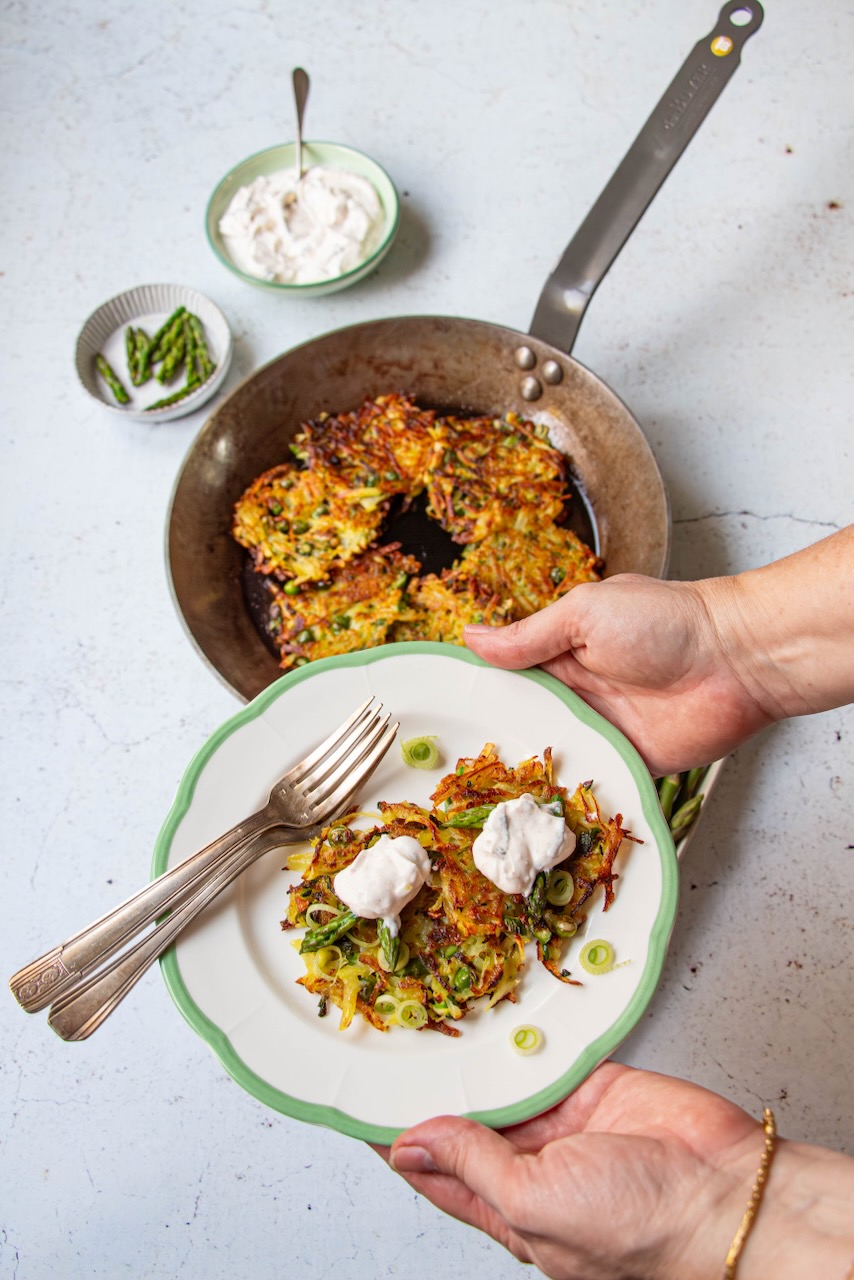
Spring vegetable rösti: a versatile recipe
Yes, this version is perfect for spring, but don’t limit yourself to this season. Most importantly, let your creativity shine! You can experiment with squash, sweet potatoes, parsnips, carrots, or even spinach. Enjoy the variety!
The necessary utensils:
A steel frying pan,
A small frying pan,
A small saucepan,
A mixing bowl,
A paring knife,
And a mandoline.
With all these tools, you’re ready to prepare your spring vegetable rösti.
Now, onto the recipe, Chef!
Spring Vegetable Rösti
 ( Vote !)
  Loading...
Ingredients
- Röstis
- 800 g of potatoes
- 1 small zucchini
- 90 g of fresh peas
- 100 g of fine green asparagus tips
- 1 tablespoon of olive oil
- 2 tablespoons of cornstarch
- Salt
- Pepper
- Sunflower oil
- White sauce
- 300 g of Greek yogurt
- The juice of half a lemon
- 1 grated salted garlic clove
- 10 chopped mint leaves
- 1 chopped scallion
- 1/4 teaspoon of smoked paprika
- 1/4 teaspoon of cumin
- 1/4 teaspoon of ground ginger
- Salt
- Pepper
Instructions
Röstis
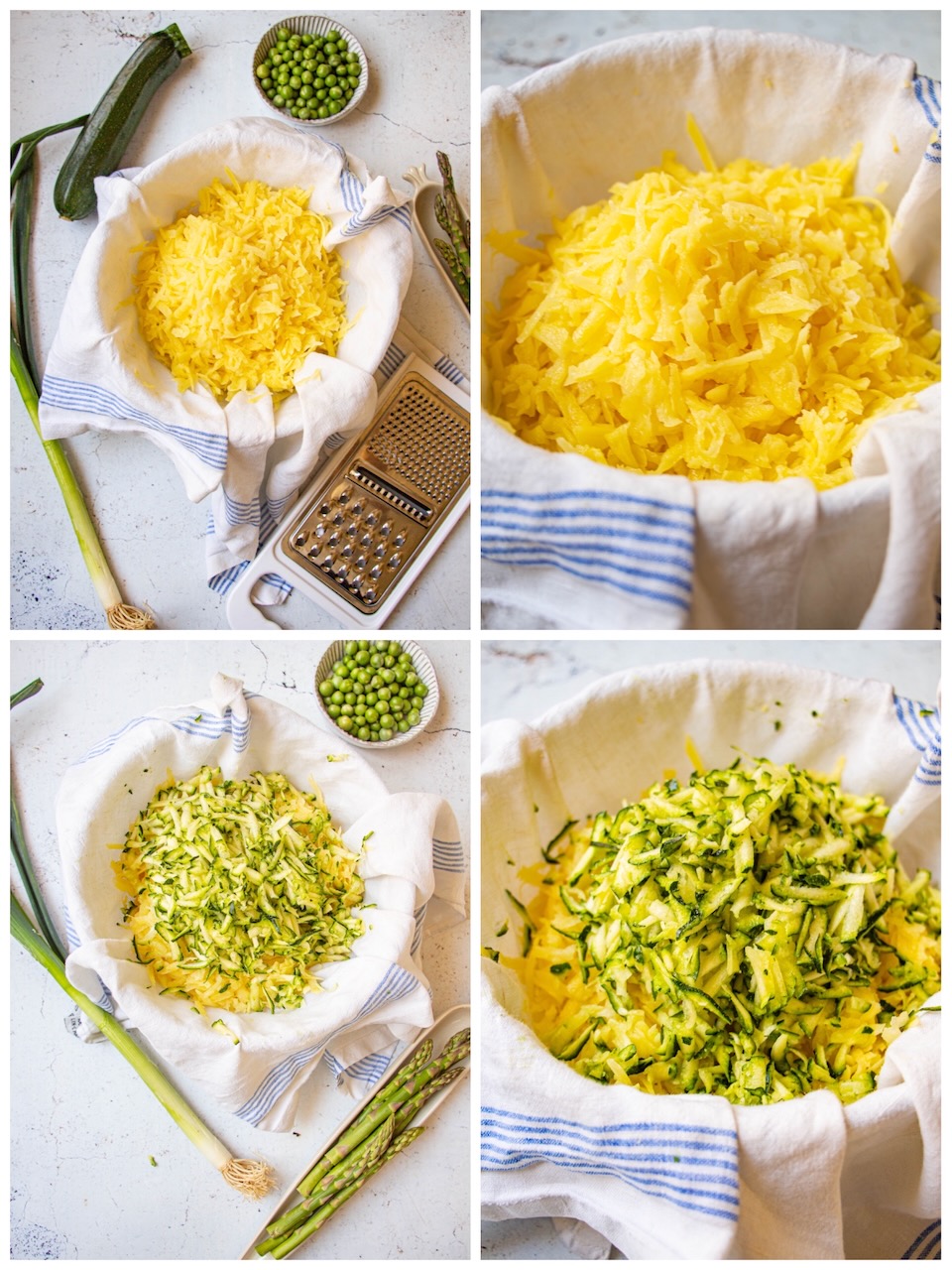
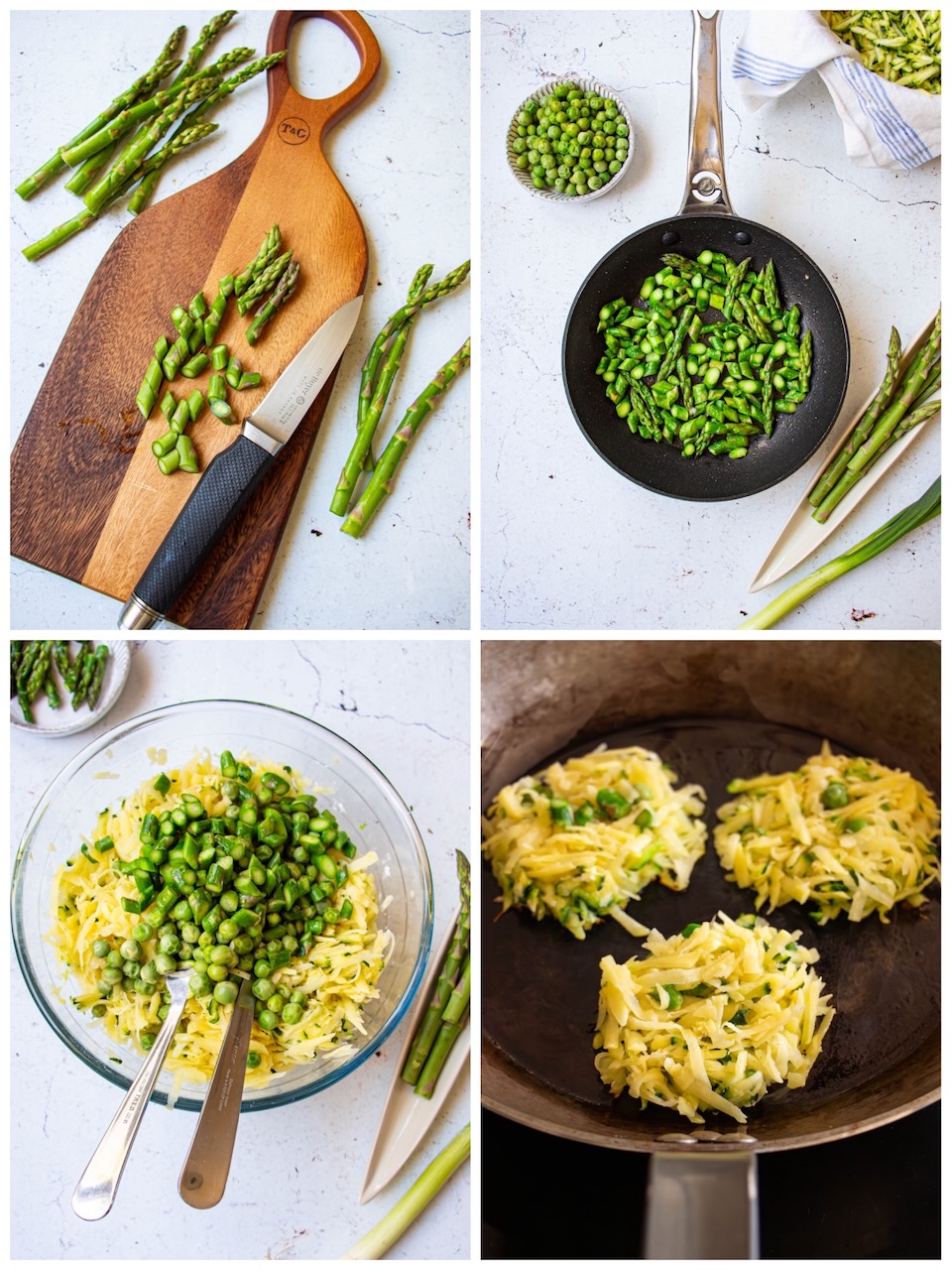
Peel and finely grate the potatoes using the mandoline.
Grate the zucchinis and add them to the potatoes.
Place everything on a clean towel in the mixing bowl, salt, and let rest for 15 minutes.
Meanwhile, cook the peas for 10 minutes in boiling water.
Sauté the asparagus cut into small pieces with olive oil in the small pan for 3 minutes.
Squeeze your potatoes and zucchini by twisting the towel to remove as much liquid as possible.
Add the drained peas and asparagus to your squeezed vegetables and mix.
Sift the cornstarch over the top and mix well.
Season with salt and pepper.
Heat 100 ml of oil in your pan.
Drop 4 large spoonfuls of your mixture into the pan, flattening the heaps to form a rösti about 8 cm in diameter.
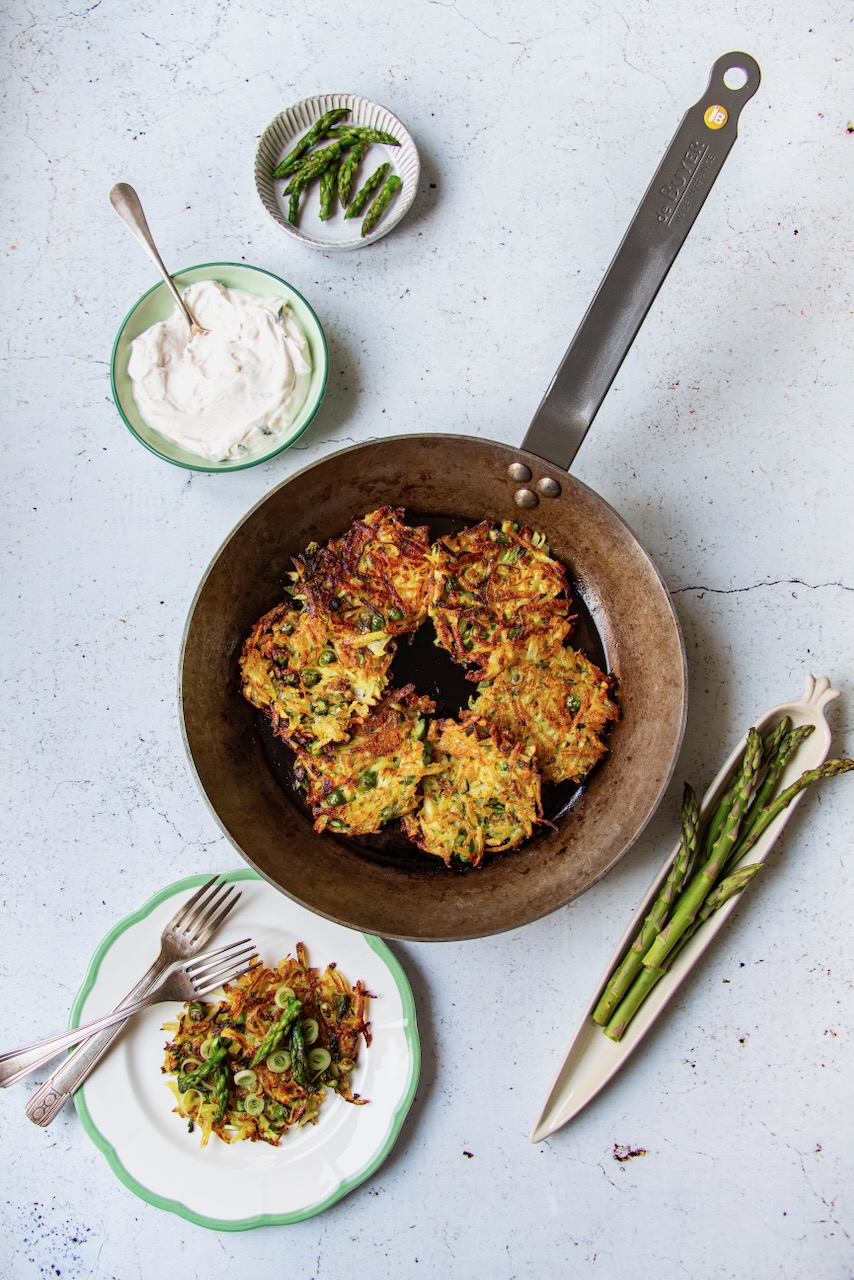
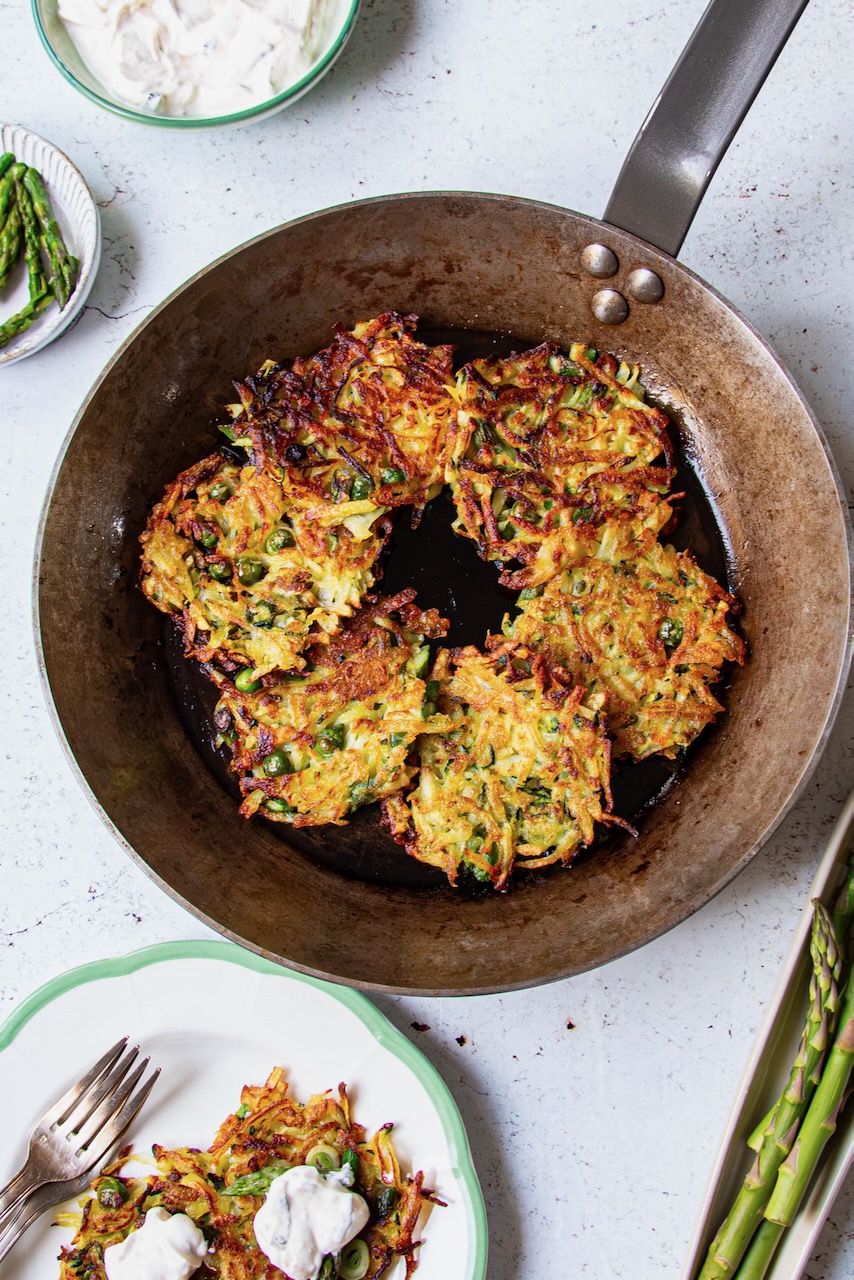
Let fry until the edges are nicely colored, flip the röstis and cook again.
Repeat until the mixture is exhausted. You may need to add oil one or two times.
White sauce
Mix all the ingredients.
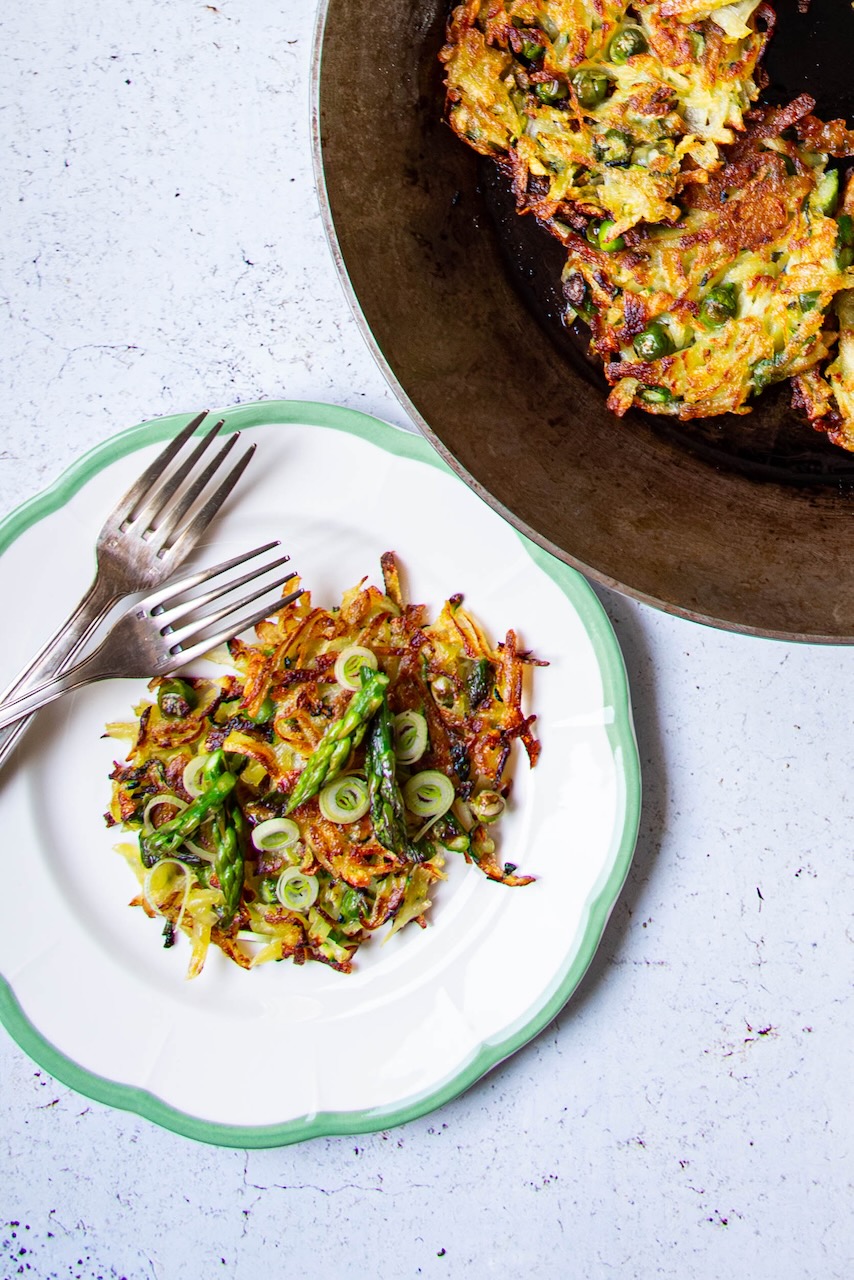
Serve with the röstis hot and enjoy!
No Comments