

Hello friends!
Today, we are going to talk about a type of cuisine that I particularly love: stews! You know, those recipes we prepare in a large pot and let cook slowly while the aromas start to fill the entire house… Just thinking about it makes me hungry! Beef bourguignon, veal blanquette, tagines, pulled pork, lamb navarin… Braised dishes clearly play a significant role in my family cooking. They sometimes require a bit of patience, but rarely much technique. And above all, they have this huge advantage: once the pot is on the heat or in the oven, it practically cooks itself! Over the years, I have shared numerous stew recipes on Casserole & Chocolat, both from French cuisine and inspired by my culinary travels. It was therefore high time to gather them all in one place, and that’s why I’m excited to share with you my easy and comforting recipes for the best slow-cooked dishes!
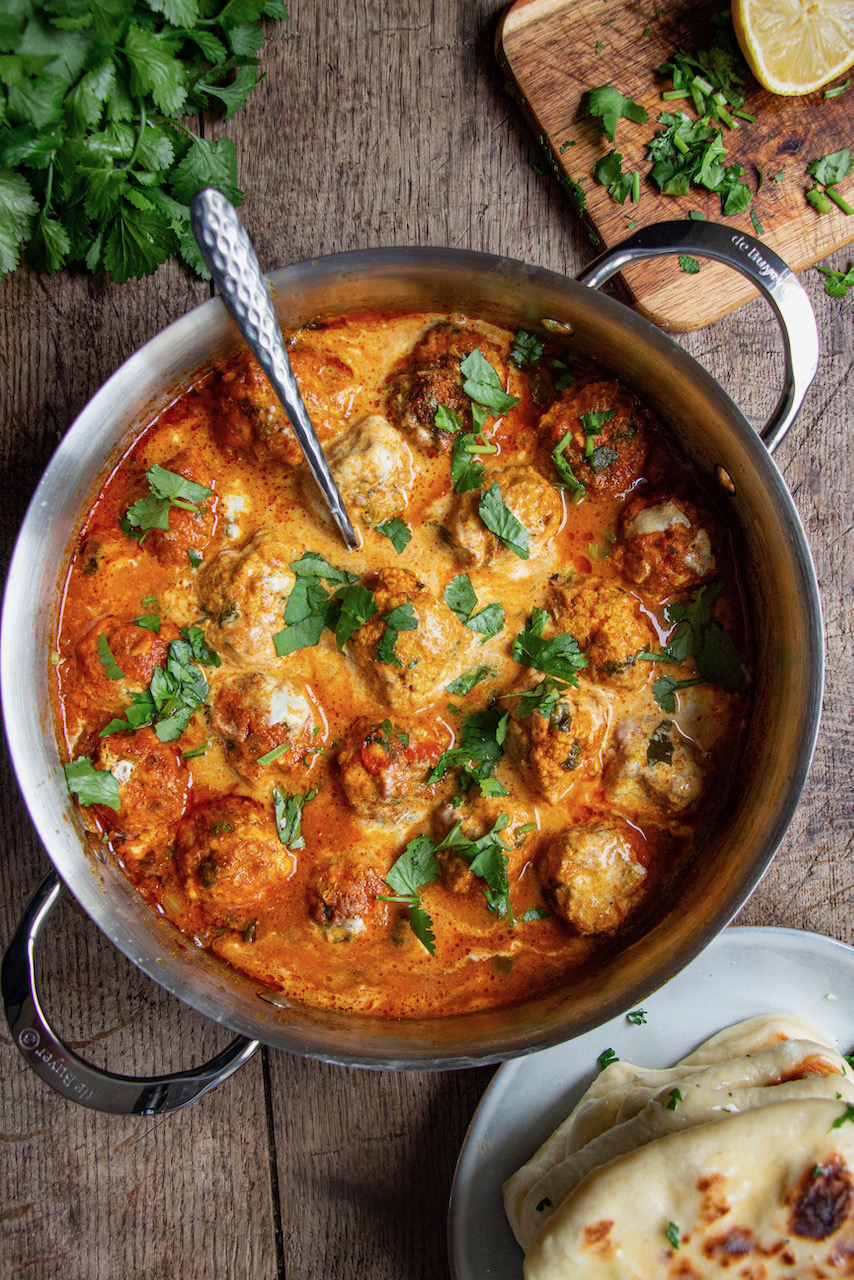
Why I love stews so much
For me, stew is above all a cuisine of sharing.
We place the pot in the middle of the table, everyone serves themselves, we add some good mashed potatoes, rice, semolina, or pasta, and everyone is happy.
It’s also a cuisine that allows us to transform tougher cuts of meat into incredibly tender bites. The long, gentle cooking gives ample time for the flavors to develop and for the meat to soften.
And then there’s another advantage that I particularly appreciate: many stews taste even better the next day.
In other words, these are great recipes when you’re hosting. You can calmly prepare your dish the day before, and on the big day, you just need to reheat it.
That’s exactly the kind of organization I love!
The great French classics simmered
Let’s start with traditional French cuisine, the kind found in Sunday meals, family recipes, and casseroles that simmer for hours.
Beef Bourguignon
It’s impossible to write about stews without starting with this classic!
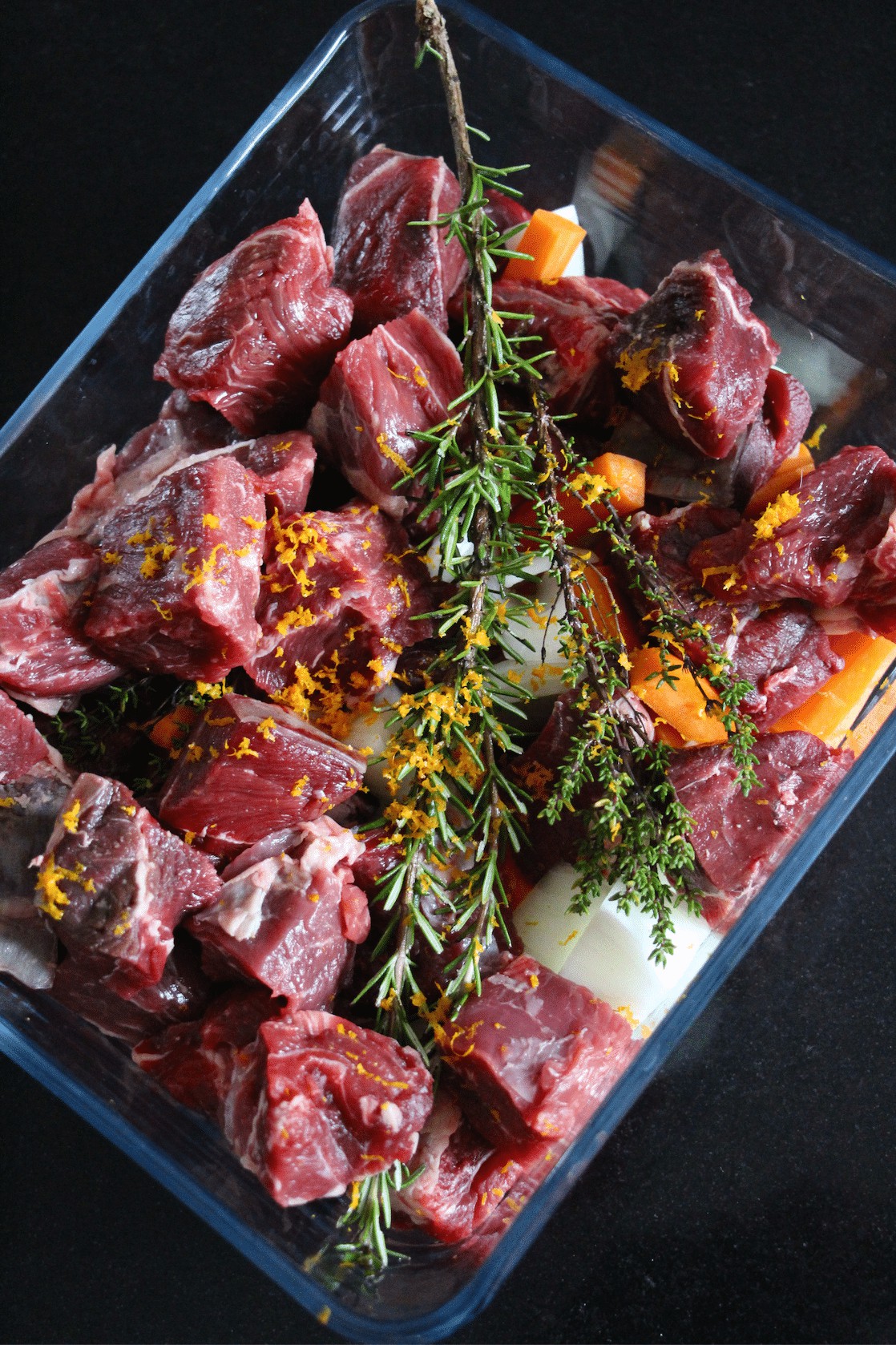
My beef bourguignon embodies everything I love about French cuisine: high-quality ingredients, a recipe that is ultimately quite simple, a long cooking time, and that absolutely incredible aroma that fills the kitchen.
I use a mix of chuck, brisket, and shank, which I marinate in red Burgundy wine, alongside carrots, onion, a bouquet garni, and a little orange zest to add some brightness.
Then? We let it simmer!
Serve it with steamed potatoes, creamy mashed potatoes, pasta, or even homemade spaetzle, and you have the ultimate family meal.
Veal stew
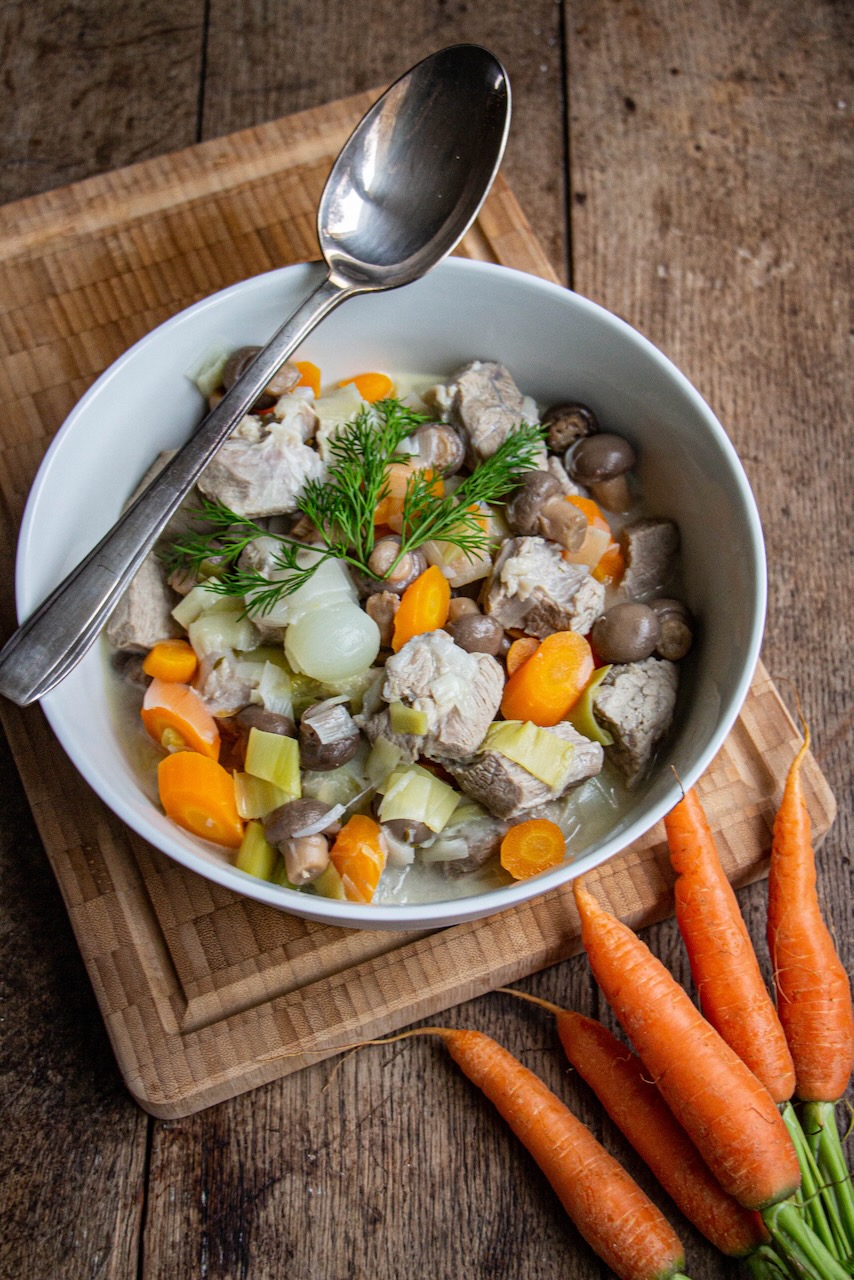
Another culinary treasure: veal blanquette!
Here, we don’t try to brown the meat as the whole principle of blanquette is based on a « white » cooking method. The veal cooks slowly with the vegetables and herbs before the broth transforms into that creamy, enveloping sauce we all adore.
This recipe evokes memories of family meals and our grandmothers’ cooking.
With some good white rice to savor every last drop of sauce… you see where I’m going with this! 😉
My grandmother’s rabbit
Some recipes carry a special flavor because they also tell a story.
This is exactly the case with my grandmother’s rabbit. It was one of my maternal grandmother’s favorite dishes, and I can still picture her in front of her old cast iron pot adjusting the sauce.
In my recipe, the rabbit thighs simmer with white wine, broth, mushrooms, and cream. It’s simple, family-friendly cooking; yet, more importantly, it’s filled with memories.
And ultimately, that’s what stews are: recipes handed down through generations.
The Sologne pheasant in a casserole
We remain in French cuisine with my Sologne pheasant in a casserole.
I pair pheasant with carrots, butternut squash, tomatoes, white wine, and a few spices.
Casserole cooking suits game particularly well, as it retains tender meat while developing a flavorful sauce.
A perfect recipe for large gatherings in the autumn and winter!
Pulled pork: the American stew version
And now, we head to the United States!
Pulled pork
My pulled pork has certainly become a favorite among the recipes on the blog.
And I completely understand why!
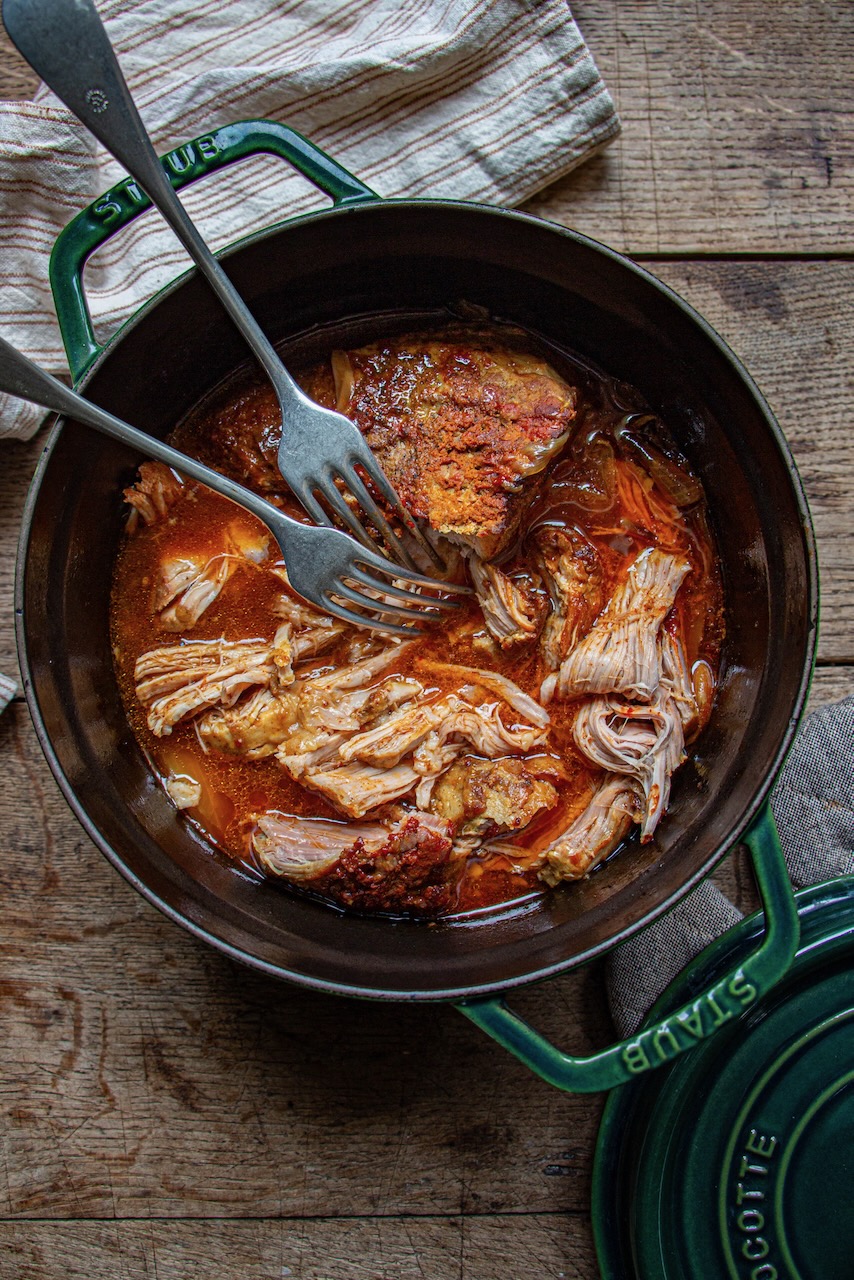
The principle is very simple: take a nice piece of pork, preferably the shoulder, and cook it very slowly at low temperature.
After several hours, the meat is so tender that it simply shreds with a fork.
I add ketchup, a bit of barbecue sauce, ginger, and paprika, and let time work its magic.
You can serve this pulled pork with mashed potatoes, sweet potatoes, or rice, but above all, think about the leftovers!
They are fantastic in burgers, tacos, shepherd’s pie, or even as a gratin.
Indeed, you will also find on the blog my pulled pork burger. Nothing goes to waste! 😉
My slow-cooked lamb dishes
You probably already know about my love for lamb.
This meat is particularly suited for long cooking, and I have inevitably shared a few recipes on the blog…
The lamb navarin with white beans
My lamb navarin with white beans is a truly family-friendly and generous recipe.
It includes lamb shoulder, white beans, tomatoes, and several spices.
The beans cook in the aromatic broth, making everything gradually tender.
Like many recipes in this selection, this navarin is even better when reheated. So prepare a beautiful casserole: you will be delighted to find it the next day!
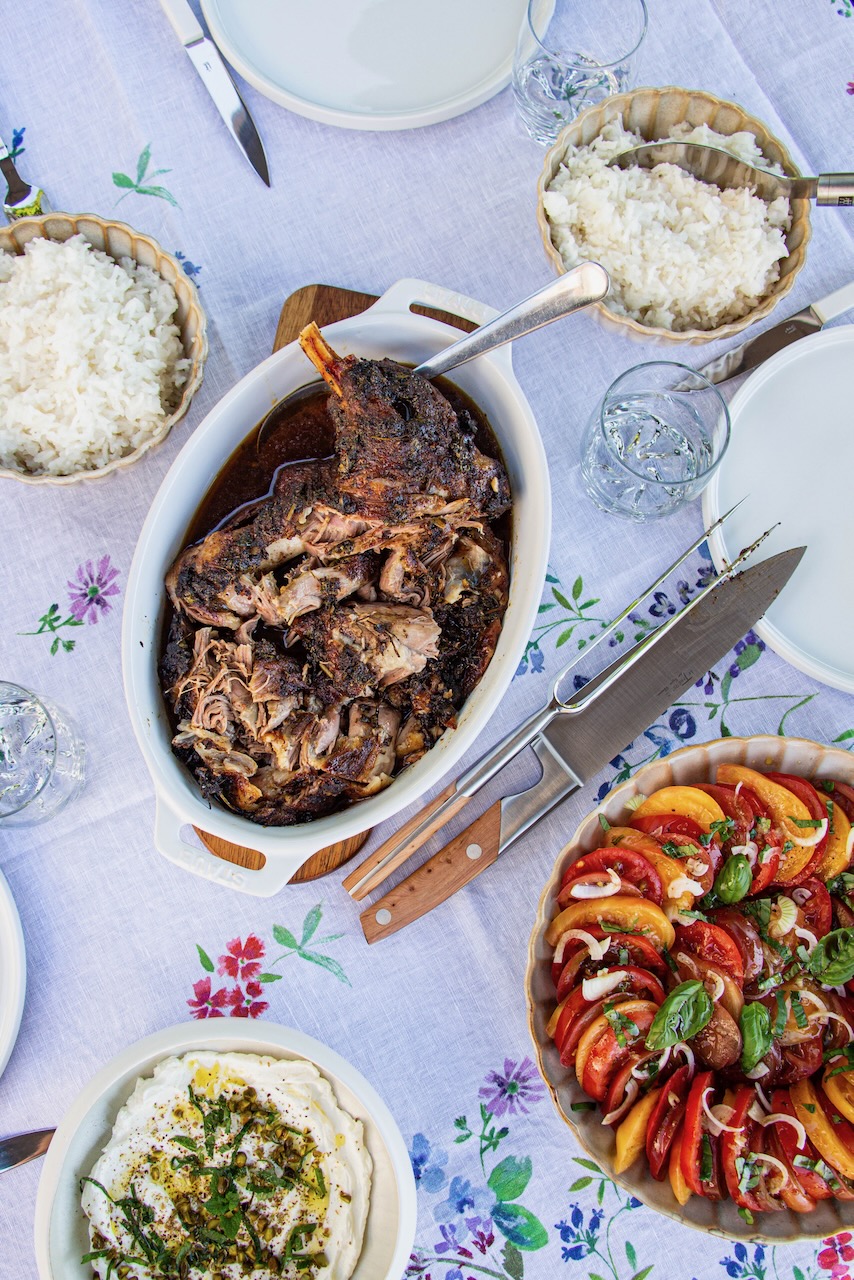
Lamb shawarma
Here’s a recipe that my family frequently requests for special occasions!
My lamb shawarma takes time, but the result is worth it.
The leg, shoulder, or lamb shanks are marinated for an extended period in a delightful blend of spices: cumin, cardamom, fennel, cinnamon, ginger, paprika, sumac…
Then, the meat cooks for several hours, with a gradually lowering temperature to achieve incredibly tender lamb.
I usually serve it with pilaf rice, a fresh salad, and a yogurt-tahini sauce.
And if there are leftovers, slip the meat into pita bread… You’ll thank me later!
Tajines: Kings of Slow Cooking
How can we talk about stews without dedicating an entire section to tagines?
They are perhaps the best representation of the value of slow cooking: spices, meat, vegetables or fruits, and most importantly, time for all the flavors to meld together.
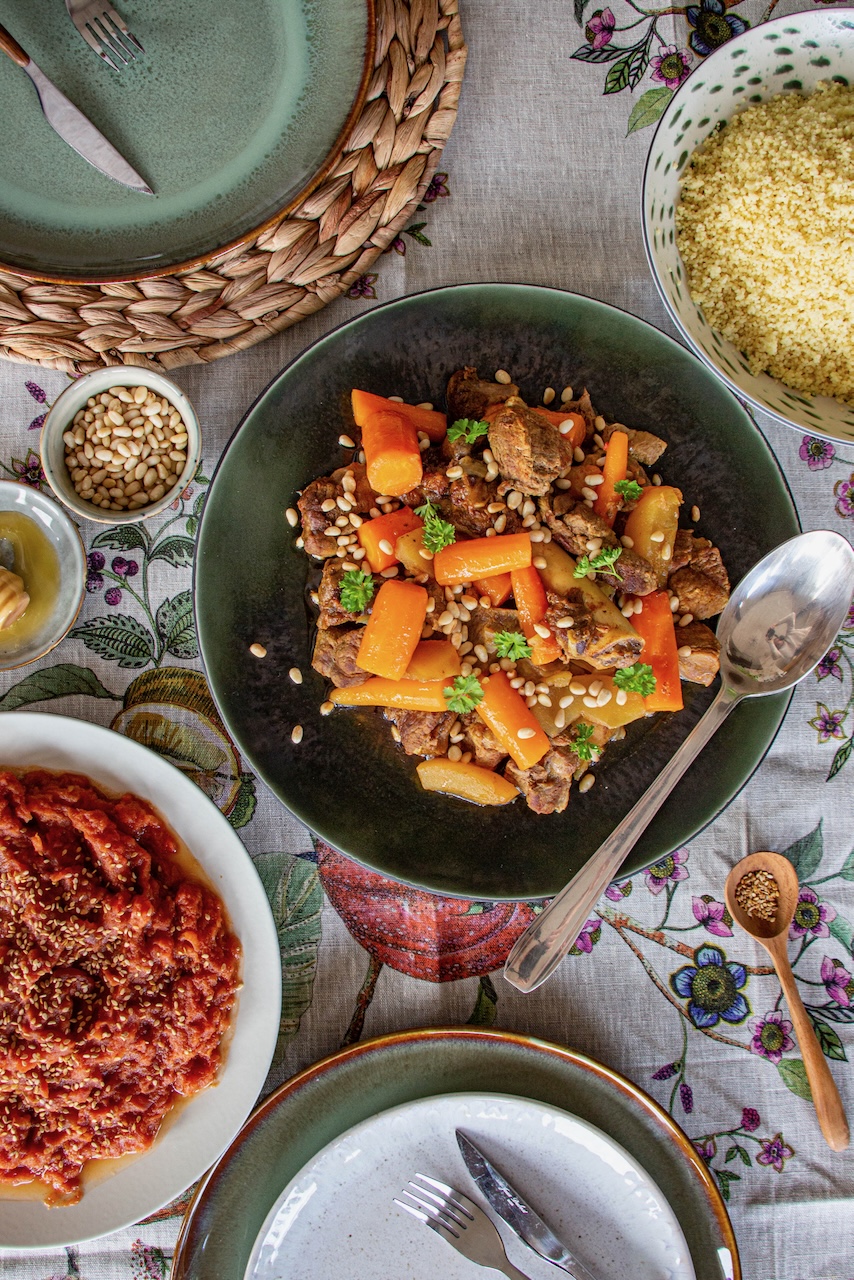
The lamb tagine with prunes
My lamb tagine with prunes is a magnificent example of sweet and savory cuisine.
The lamb simmers slowly with vegetables, spices, honey, and prunes.
As it cooks, the flavors concentrate, and the meat becomes exceptionally tender.
With some good couscous, it’s the kind of dish I place in the middle of the table for everyone to help themselves!
The lamb tagine with carrots
Another version to discover: my lamb tagine with carrots.
Here, the carrots simmer gently with the lamb, ginger, spices, and a touch of honey.
The recipe can simmer for an hour, but if you have time to let it cook for two, that’s even better.
This truly embodies the philosophy of a slow-cooked dish: we don’t rush anything; we let time do the work for us.
The lamb tagine with sun-dried tomatoes by Amina
This one holds a special place in my heart since the recipe was gifted to me by Amina, a subscriber to the blog.
My Amina’s lamb tagine with sun-dried tomatoes is a true marvel.
The tomatoes simmer for several hours with olive oil, honey, and a touch of cinnamon. Meanwhile, the lamb cooks with spices until it becomes very tender.
The first time I made it, we had 17 at the table… Suffice it to say that the recipe had to perform!
And it was a resounding success.
I also highly recommend preparing this dish the day before. The flavors will have even more time to develop.

The chicken tagine with preserved lemon and olives
For a change from lamb, also try my chicken tagine with preserved lemon and olives. The preserved lemon brings its characteristic flavor, the olives add a touch of saltiness, and the chicken fully benefits from cooking in this fragrant sauce.
It’s a friendly recipe, full of sunshine, that I particularly love when I want to take the whole family on a culinary journey without leaving my kitchen.
And why not a chili con carne?
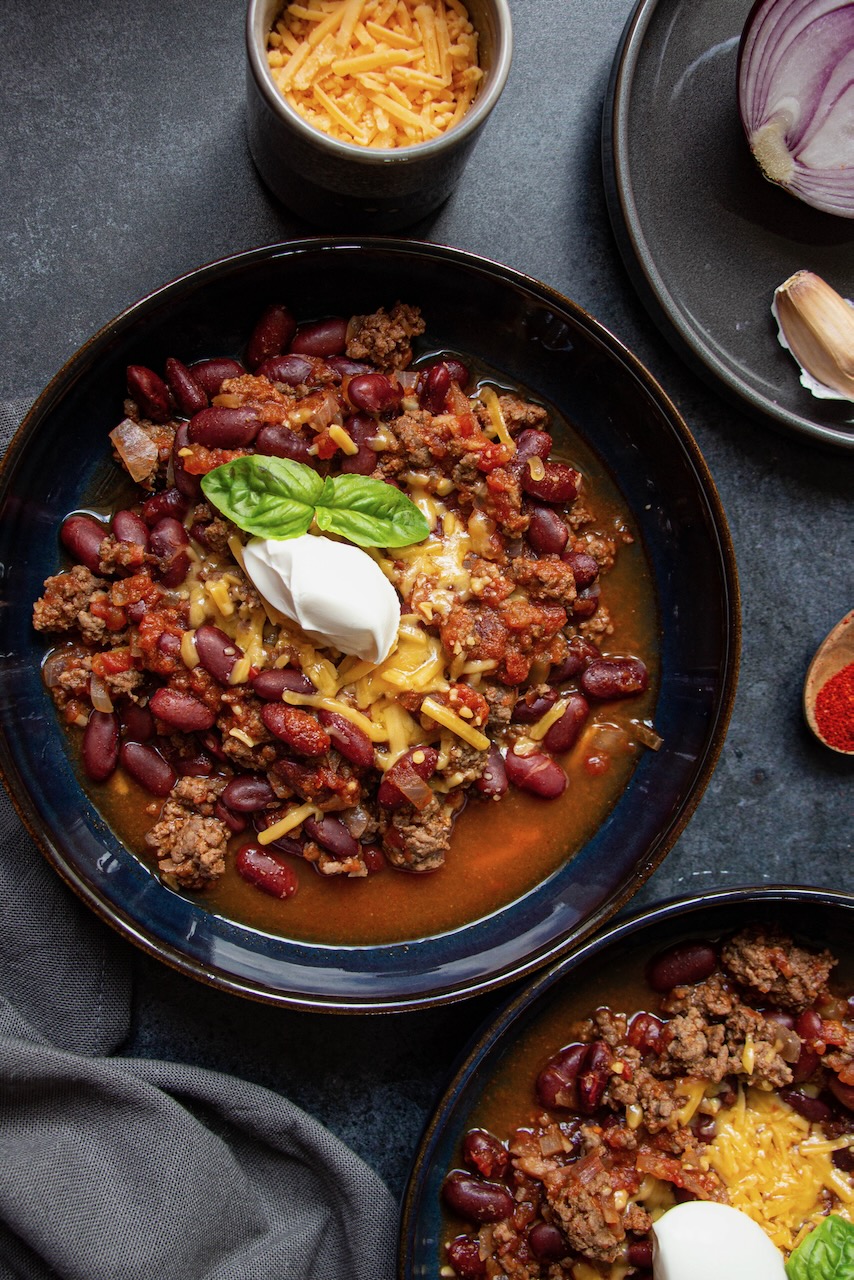
We switch continents again with my chili con carne.
This is a typical recipe perfect for large gatherings.
Meat, beans, tomatoes, spices… Everything simmers together and creates a hearty dish that can easily be prepared in advance.
Serve it with rice, a bit of cream, a few fresh herbs, and, of course, adjust the amount of chili to suit your guests!
And if you have teenagers at the table, I can assure you that this type of recipe goes over quite well… 😉
### Which cut of meat to choose for a stew?
This is an important point.
For long cooking, there’s no need to go for the most expensive cuts of meat. On the contrary, many cuts rich in connective tissue become particularly tender when cooked slowly for an extended period.
For beef, consider using the paleron, shoulder, or chuck. For pork, I particularly like the shoulder, which has enough fat to remain juicy after several hours of cooking.
For lamb, the shoulder, leg, or shanks work wonderfully depending on the recipe.
And above all, consult your butcher for advice. Explain what you’re preparing and the planned cooking time: they’ll know how to suggest the right cut.
The casserole, best friend of slow-cooked dishes
You probably won’t be surprised to hear that I use my casseroles a lot for this type of recipe!
A good heavy-bottomed pot allows for even heat distribution and maintains a gentle cooking process.
You can first brown the meat in it, capture all the cooking juices, add the vegetables and liquid, and then let it simmer quietly.
Depending on the recipes, cooking can be done on the stovetop or in the oven.
But whatever method you choose, the motto remains the same: slowly!
A simmered dish does not like to be rushed.
My tips for succeeding in your slow-cooked dishes
First tip: take your time. If a recipe requires two or three hours of cooking, it’s not meant to annoy you! It is precisely this long cooking that gives tenderness to the meat and develops the flavors.
Second tip: when a recipe calls for it, take the time to properly brown your meat. The drippings left at the bottom of the pot greatly contribute to the flavor of your sauce.
Third tip: watch the liquid. Long cooking doesn’t mean you should drown the ingredients! Add more liquid if needed during cooking.
Fourth tip: taste your sauce before serving. After several hours of cooking, it may have reduced and concentrated the salt and spices. So it’s at the end that you can truly adjust your seasoning.
And last tip: make enough!
Because if you’re spending several hours preparing a delicious stew, you might as well be able to enjoy it a second time…
So, which stew are you going to choose?
You will have understood that slow-cooked dishes hold a special place in my kitchen.
They may be deeply rooted in our French tradition with beef bourguignon, blanquette, or my grandmother’s rabbit, take us to Morocco with tagines, to the Middle East with shawarma, or to the United States with pulled pork.
But they all have something in common: time, generosity, and the pleasure of gathering around a large pot.
And finally, I believe that this captures my definition of the cooking I love.
So, what are we simmering this weekend?
FAQ
Why should a stew be cooked for a long time and over low heat?
Slow cooking allows the meat to gradually become tender and for the various flavors to develop. A temperature that is too high, on the contrary, risks reducing the sauce too quickly and making certain meats less enjoyable.
Can you prepare a stew the day before?
Yes, and it is often an excellent idea. Beef bourguignon, tagines, navarin, or pulled pork are particularly well suited for preparing in advance. Simply reheat your dish gently before serving.
What side dish to serve with a stew?
It all depends on the recipe. Rice, mashed potatoes, pasta, steamed potatoes, or spaetzle pair very well with French sauced dishes. For tagines, opt for couscous, while shawarma goes very well with pilaf rice or pita bread.
Which casserole should you choose to prepare a simmered dish?
A heavy-bottomed casserole, particularly in cast iron, is particularly well-suited for long cooking as it retains and distributes heat effectively. Choose a size that is appropriate for the quantity being prepared.
How to prevent braised meat from being dry?
Choose a piece suitable for long cooking, maintain a gentle temperature, and ensure that there is enough liquid during cooking. Some slightly fattier cuts, like pork shoulder, remain naturally juicier.
Can you freeze stews?
Many stews freeze very well. Let the dish cool before portioning it, then defrost it preferably in the refrigerator before gently reheating it.
Why brown the meat before braising it?
When the recipe calls for it, browning the meat helps to develop flavors and create fond at the bottom of the pot. These are then incorporated into the sauce and contribute to the dish’s taste.


No Comments